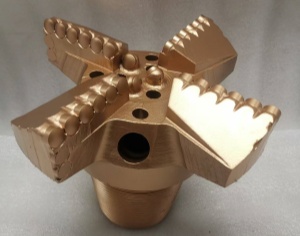
What is a fishing tap used for in drilling?
Understanding Fishing Taps in Drilling Operations
In the world of drilling, especially in oil and gas extraction, various tools and techniques are employed to ensure efficiency and productivity. Among these tools, the fishing tap plays a crucial role. But what exactly is it, and why is it so significant in drilling operations?
What is a Fishing Tap?
A fishing tap is a specialized tool designed to retrieve objects that have become stuck or lost in the wellbore during drilling operations. This could include drill bits, casing sections, or other equipment that may inadvertently fall or become lodged. The fishing tap essentially allows operators to "fish" these items out, thereby minimizing downtime and costs associated with lost tools.
Design and Functionality
The design of a fishing tap is quite ingenious. Typically, it consists of a serrated or threaded surface that allows for a secure grip on the object being retrieved. When the fishing tap is lowered into the wellbore, its mechanism engages with the stuck item, enabling a pull-out operation. This functionality is critical in deep drilling operations, where the cost of losing equipment can be exorbitant.
Applications of Fishing Taps
Fishing taps are not limited to just one type of application. Their versatility makes them useful in various scenarios:
- Retrieving Lost Tools: If a drill bit breaks off or a casing section falls, the fishing tap provides an efficient way to recover these items.
- Cleaning Up: Sometimes, debris accumulates in the wellbore. Using a fishing tap can assist in clearing out these blockages.
- Wellbore Maintenance: Regular maintenance checks can reveal issues, and fishing taps can be part of the solution to rectify them.
Operational Efficiency
One of the significant advantages of utilizing a fishing tap is operational efficiency. In drilling, time is money. The quicker a lost item can be retrieved, the less time the rig is idle. This efficiency significantly impacts the overall cost of the drilling operation.
In fact, by incorporating reliable tools like the fishing tap into their workflows, many drilling companies have reported a substantial reduction in non-productive time (NPT). This not only improves their profitability but also enhances their reputation in the industry.
Challenges and Considerations
While fishing taps are invaluable, they come with their own set of challenges. For instance, using the wrong type of fishing tap for a specific scenario can lead to complications. It's crucial for drilling operators to select the appropriate tap based on the item they are trying to retrieve.
Moreover, the condition of the wellbore can pose additional challenges. Factors such as pressure, temperature, and the presence of other debris can complicate retrieval efforts. Operators must, therefore, conduct thorough assessments before deploying a fishing tap.
KBJZ and Fishing Taps
Companies like KBJZ are at the forefront of providing innovative drilling solutions, including advanced fishing taps. Their commitment to quality ensures that operators have access to tools that meet the industry's rigorous standards. This is particularly important given the diverse challenges faced in drilling operations.
Conclusion
In summary, fishing taps are an essential component in the drilling toolkit. Their ability to retrieve lost items and maintain operational efficiency makes them indispensable. Whether you are a seasoned professional or new to the industry, understanding the role of fishing taps can provide valuable insights into improving drilling outcomes.