What fishing tools are used in water well drilling?
Understanding Water Well Drilling Tools
Water well drilling is a fascinating process that requires a variety of specialized tools. It’s not just about going down into the ground; it’s about doing it efficiently, safely, and effectively. Whether you’re a seasoned professional or a curious beginner, knowing what tools are involved in this process can be quite enlightening.
Basic Drilling Equipment
At the core of water well drilling are some essential pieces of equipment:
- Drill Rig: This is the powerhouse of any drilling operation. It’s what turns the drill bit and allows you to penetrate the earth.
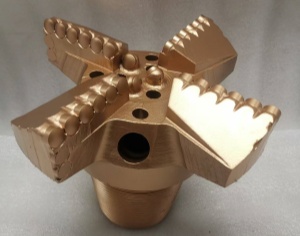
- Drill Bits: These come in various shapes and sizes and are designed to cut through different types of soil and rock. For instance, carbide-tipped bits are popular for tough terrains.
- Drill Pipes: These are crucial for connecting the drill rig to the bit, allowing for the transfer of rotation and power.
Hydraulic Systems
Hydraulics play a significant role in modern drilling. They help in several ways:
- Powering the Rig: Hydraulic systems provide the necessary force to operate the drill.
- Fluid Circulation: They also help circulate drilling fluid, which cools the bit and carries cuttings to the surface.
Sampling Tools
When drilling a well, it’s essential to know what you’re working with underground. Sampling tools help in this regard:
- Core Samplers: These tools take a cylindrical sample of the soil, giving insight into the ground conditions.
- Split Spoon Samplers: Often used in conjunction with a drilling rig, these tools collect soil samples for testing.
Water Management Tools
Water management is also key in well drilling. You don't want to create a muddy mess, right? Here are some tools that come in handy:
- Submersible Pumps: These are used to bring water up from the well once it's drilled. They can be quite efficient!
- Water Tankers: Often used for transporting water to the drilling site, especially in regions where water is scarce.
Safety Equipment
Never underestimate the importance of safety when drilling. Here are a few essential safety tools:
- Hard Hats: Protects against falling debris.
- Gloves: Keep your hands safe from sharp objects and rough surfaces.
- Protective Glasses: Essential to prevent eye injuries from dust and debris.
Specialized Tools
There are some tools that might not be as common, but are invaluable during specific situations:
- Reamers: These are used to enlarge the borehole after the initial drilling.
- Swivels: They allow the drill string to rotate without twisting the hoses connected to the drill rig.
Choosing the Right Tools
So, how do you determine which tools are best for your specific drilling project? It all comes down to a few factors:
- Soil Type: Different bits and rigs are better suited for specific types of soil and rock.
- Depth of the Well: Make sure your equipment can handle the depth you’re aiming for.
- Budget: Tools can be expensive, so it’s smart to plan your budget accordingly.
The Role of Technology
Modern technology has significantly impacted water well drilling. New advancements mean tools are more efficient and often have longer lifespans. For instance, smart drilling systems can provide real-time data to optimize drilling performance. This is where brands like KBJZ come into play, offering high-quality equipment designed for precision and durability.
Conclusion
Understanding the various tools used in water well drilling not only enhances your knowledge but also helps you make informed decisions whether you’re drilling a well for personal use or commercial purposes. From basic equipment to safety gear, each tool plays a vital role in ensuring a successful drilling operation.