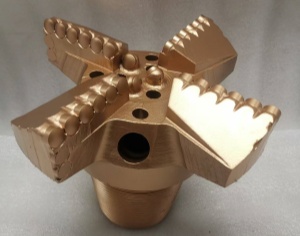
What are the common PDC bit failure modes
Understanding PDC Bit Failure Modes
In the realm of drilling operations, particularly within sectors such as geological exploration, oil and gas exploitation, and mining, PDC (Polycrystalline Diamond Compact) bits are widely recognized for their effectiveness. However, like any tool, these bits can experience failure, which can significantly impact operational efficiency and project costs.
Types of PDC Bits
PDC bits come in various forms, including PDC drill bits, PDC core bits, and mining bits, among others. Each type serves specific functions and is designed to handle different geological conditions. The selection of an appropriate PDC drilling bit often hinges on factors such as formation hardness, desired penetration rate, and the presence of abrasive materials.
Common Failure Modes
The operational integrity of PDC bits may be compromised due to several failure modes, which can be broadly classified into the following categories:
- Shear Failure: This occurs when the cutting structure of the bit, particularly the PDC inserts, is subjected to excessive forces, resulting in the fracturing or chipping of the diamond material.
- Wear Failure: Over time, the abrasive nature of the rock formations can lead to significant wear on the PDC edges, ultimately affecting the bit’s cutting efficiency. This type of failure is especially prevalent in hard formations.
- Thermal Failure: Elevated temperatures generated during drilling can lead to thermal degradation of the PDC matrix, which can affect its hardness and subsequently its performance. This is particularly common in high-speed drilling applications.
- Impact Failure: Sudden changes in rock hardness or unexpected geological formations can result in impact failures. The ability of the PDC bit to withstand such shocks is critical to maintaining its operational lifespan.
- Bit Plugging: Accumulation of cuttings in the bit area can lead to reduced fluid flow, which may cause overheating and inefficiencies in drilling. This often necessitates a bit change or cleaning.
Factors Influencing PDC Bit Durability
Several factors can influence the durability and performance of PDC bits, including:
- Formation Characteristics: The hardness, abrasiveness, and structure of the rock being drilled can drastically affect the lifespan of the bit.
- Bit Design: Innovative designs, such as those from KBJZ, incorporate advanced cutting geometries and superior materials, which can significantly enhance performance and reduce failure rates.
- Drilling Parameters: Parameters such as weight on bit (WOB), rotational speed, and flow rate of drilling fluid play a crucial role in the performance of PDC bits. Incorrect calibration can lead to premature failures.
Mitigating PDC Bit Failures
To minimize the risk of PDC bit failures, several strategies can be employed:
- Proper Selection: Choosing the correct PDC drill bit based on the specific geological conditions is imperative. For instance, employing a heavier-duty PDC coring bit when drilling through particularly hard formations can enhance performance.
- Regular Monitoring: Keeping a close eye on drilling parameters and bit condition can help in identifying potential issues before they escalate into significant failures.
- Utilizing Quality Products: High-quality PDC bits, such as those manufactured by KBJZ, which are known for their high wear resistance and long service life, can lead to enhanced operational efficiency.
Conclusion
Understanding the various failure modes of PDC bits is crucial for drilling professionals seeking to optimize performance and reduce costs. By recognizing the contributing factors and implementing strategies to mitigate risks, organizations can enhance their drilling operations and extend the lifespan of their drilling tools.