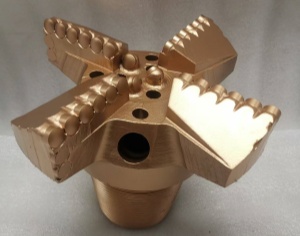
Two-Tier Price Classification of Dual-Purpose Bits for Cobblestone & Bedrock Mixed Strata
Understanding Two-Tier Price Classification
When we dive into the realm of dual-purpose bits, especially those crafted for cobblestone and bedrock mixed strata, the pricing strategies can get quite intricate. The concept of two-tier price classification often comes into play here. This strategy not only reflects the value of the bits but also addresses the specific challenges posed by varying geological conditions.
The Basics of Two-Tier Pricing
So, what exactly is two-tier pricing? Essentially, it’s a method where products are priced differently based on distinct characteristics or usage scenarios. In our case, dual-purpose bits have two main applications: one for softer cobblestone and another for the tougher bedrock. Each of these requires unique considerations in terms of pricing.
- Tier One: Bits designed primarily for cobblestone.
- Tier Two: Bits engineered to tackle bedrock.
This classification allows users to select the right tool for their specific job, ensuring efficiency and reducing frustration. Imagine trying to drill through solid rock with a tool meant for softer surfaces—talk about a headache!
Factors Influencing Pricing
Let’s break down what influences these tiered prices. The materials used are a big player here. For instance, bits made with high-grade alloys or advanced coatings will naturally fall into a higher price bracket. Why? Because they offer durability and longevity that cheaper alternatives simply can’t match.
Additionally, the manufacturing process impacts costs too. Bits crafted using cutting-edge technology, such as precision machining, tend to be pricier. This is where brands like KBJZ come into the spotlight, known for their innovative approaches in tooling.
Market Positioning and Consumer Behavior
It’s not just about production costs, though. Market positioning plays a crucial role. Customers have varying needs based on their projects. A contractor working on a complex site may be willing to invest more for reliability, while a DIY enthusiast might opt for a more budget-friendly option. Understanding this behavior is vital for effective pricing strategies.
- Contractors: Look for reliability and performance.
- DIY Enthusiasts: Often prefer cost-effective solutions.
The Role of Brand Reputation
Speaking of reliability, brand reputation can sway purchasing decisions significantly. If a brand has established itself as a reliable source for dual-purpose bits, customers are likely to pay a premium. This is where a company like KBJZ capitalizes on its history of delivering quality products.
Moreover, positive reviews and word-of-mouth can elevate a brand’s status, justifying higher prices for their bits. It’s a dance between perceived value and actual performance.
Technical Specifications and Performance Metrics
Now, let’s not forget the technical side of things. Performance metrics such as penetration rates, wear resistance, and drilling efficiency are critical. Bits that can handle the rigors of mixed strata without frequent replacements will command a higher price. After all, time is money on the job site, right?
- Penetration Rate: How fast does it drill?
- Wear Resistance: How long does it last?
- Drilling Efficiency: How effectively does it perform?
Conclusion on Two-Tier Pricing
In the end, the two-tier price classification for dual-purpose bits is not just a clever marketing strategy; it’s a necessary approach to cater to diverse customer needs. By understanding the elements that influence pricing, manufacturers can better align their products with market demands. Whether you’re a seasoned contractor or a weekend warrior, knowing what you’re paying for makes all the difference!