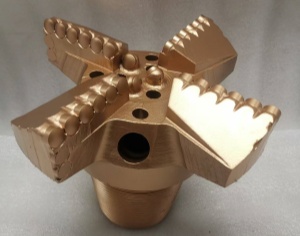
Tungsten carbide chisel bit、PDC matrix bit for geological survey
Understanding Tungsten Carbide and PDC Matrix Bits
Tungsten carbide and PDC (Polycrystalline Diamond Compact) matrix bits are critical tools in the realm of geological surveys and drilling operations. These bits are specifically engineered to meet the demanding conditions encountered during geological exploration, mining, and water well drilling.
Properties of Tungsten Carbide Bits
Tungsten carbide bits are crafted from a sintered body that exhibits remarkable strength and resistance to wear. The high-quality tungsten carbide is produced through a high-pressure sintering process, resulting in a dense structure that minimizes the risk of cracking. Such durability is essential for operations in medium-hard to hard rock formations, where conventional drill bits may fail.
Impact Resistance
The inherent impact resistance of tungsten carbide bits makes them suitable for various applications, including mining, geological coring, and foundation pile projects. Their robust design ensures that they can withstand the rigors of drilling in tough geological conditions, providing reliable performance over extended periods.
Customizable Features
One of the notable advantages of tungsten carbide bits is the availability of customization. Manufacturers offer tailored solutions, including custom diameters, blade configurations, and thread types. This capability allows drilling contractors to select bits that are well-suited to specific geological conditions and project requirements.
PDC Matrix Bits: Efficiency and Performance
PDC bits are distinguished by their use of premium PDC cutters, which contribute to their rapid penetration rates and efficient cuttings removal. With a body made from 42CrMo alloy steel, these bits undergo vacuum heat treatment to enhance their structural integrity and resistance to wear.
Application in Geological Prospecting
These PDC matrix bits are widely utilized in geological prospecting due to their versatility and performance in various drilling environments. The combination of high-penetration capabilities and smooth operation makes them ideal for tasks such as mining tunneling and slope support.
Blade Design Variations
Moreover, PDC bits come with a range of blade designs, including 3-blade carbide scraper bits, 4-wing concave non-coring PDC bits, and flat-top tungsten carbide sintered PDC drill bits. Each design caters to different operational needs, ensuring optimal performance across diverse geological conditions.
Comparative Advantages
- Durability: Both tungsten carbide and PDC bits exhibit exceptional durability, but tungsten carbide bits tend to have superior wear resistance.
- Penetration Speed: PDC bits generally outperform tungsten carbide bits in penetration speed, making them preferable for rapid drilling tasks.
- Cost Efficiency: While tungsten carbide bits may require a higher initial investment, their longevity can lead to lower overall costs in high-demand applications.
Industry Applications
The application range for both types of bits extends beyond geological surveys. They are integral to various sectors, including water well drilling, pile foundation construction, and tunnel anchoring. The stable drilling performance and long service life of these bits make them invaluable assets for engineering contractors and mining enterprises alike.
Custom Solutions for Diverse Needs
Recognizing that one size does not fit all, manufacturers like KBJZ provide custom solutions tailored to meet specific operational demands. This includes the production of special detachable bits, which can be adjusted according to blade quantity and cutter layout, thereby enhancing the adaptability of drilling operations.
Conclusion: A Choice for Geological Excellence
In summary, the selection of the right drilling bit is pivotal for the success of any geological survey or mining operation. Tungsten carbide and PDC matrix bits offer distinct advantages that can significantly influence drilling efficiency and project outcomes. Their robust construction, customizable features, and performance capabilities position them as preferred choices for professionals in the mining and geological sectors.