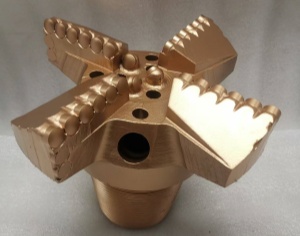
TC Drill Bit、PDC Core Bit
Understanding TC Drill Bits and PDC Core Bits: A Deeper Dive
Drilling technology is evolving. The TC drill bit and PDC core bit stand out. Why? Their performance. These tools redefine efficiency and adaptability. In coal mining, geological exploration, and water well drilling, they prove essential. Let's explore their specifications and applications.
Specifications That Matter
Consider the PDC coring bit. It features premium raw materials. The heat-stable polycrystalline diamond compact (PDC) withstands temperatures up to 750℃. Why is this crucial? Thermal cracking is a concern in high-temperature drilling environments. In contrast, the TC drill bit utilizes a tungsten carbide matrix body. This sintered high-density carbide resists erosion and abrasion. It's perfect for deep wells and high-sand formations.
- Ultra-long service life: PDC cutters last 10 times longer than traditional carbide inserts.
- Fast penetration rate: Achieving speeds 2-4 times faster than tricone bits.
- Stable hole quality: Balanced design minimizes borehole deviation.
Real-World Application: The Coal Mine Case
Imagine a coal mine in a remote area. The operation relies on effective drilling to extract resources efficiently. Enter the TC drill bit. With a steel body designed for shallow water wells, it rapidly drills soft strata. Yet, when faced with harder formations, the PDC core bit takes over. It's equipped with 1304/1305 PDC cutters, ensuring fast penetration and stable hole quality.
In one instance, a mine using TC drill bits achieved over 500 meters of effective footage. This is compared to traditional bits, which often struggle beyond 300 meters under similar conditions. Isn’t that impressive? The time saved translates into cost reduction and enhanced productivity.
Structural Innovations
Not all drill bits are created equal. Structural design plays a pivotal role. The PDC core bit features a multi-nozzle hydraulic layout. This optimizes mud flushing, keeping cutting teeth cool. The large-flow junk slots allow smooth cuttings discharge. That means no blockages during drilling. Isn’t that what every miner dreams of?
- Detachable split design: Easy maintenance on-site.
- Reinforced gauge protection: Prolongs service life in abrasive strata.
Performance Metrics: What to Expect
What are the recommended drilling parameters? For weight on bit (WOB), experts suggest 0.4 to 1.2 kN per mm diameter. The rotation speed should range from 60 to 250 RPM. In ideal geological conditions, a single bit can achieve a life span of 3,000 to 6,000 meters. That’s substantial! The TC and PDC bits deliver consistent results, making them favorites among drilling contractors.
Compatibility and Customization
Compatibility matters. The connection thread standards (API REG threads) include sizes like 2 3/8", 2 7/8", and 4 1/2". This ensures global usability. Custom diameters, blade designs, and connection threads are available. This flexibility allows drilling solutions tailored to specific needs. KBJZ, for example, offers a wide range of configurations. They’re a go-to for many drillers.
Imagine a drilling contractor needing a specific design for a geological survey. They approach KBJZ. Within weeks, they have customized PDC bits and core bits that perfectly fit their requirements. Talk about efficiency!
The Bottom Line: Choosing the Right Bit
In the world of drilling, the right tool can make all the difference. Whether it's a TC drill bit for quick penetration or a PDC core bit for durable performance, understanding their specifications and applications is key. As technology advances, these bits will continue to lead the charge in drilling efficiency. Choose wisely; the success of your project depends on it.