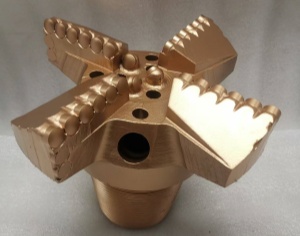
Site investigation bit、Slim hole drilling bit、Sidetracking drill bit、shale oil drilling bit
Understanding Different Drilling Bits
Drilling is not just a task; it's an art. Think about it: how do we tap into the Earth’s resources effectively? The bits we choose determine efficiency, cost, and even success. Today, we’ll explore four key types of drilling bits: Site Investigation Bits, Slim Hole Drilling Bits, Sidetracking Drill Bits, and Shale Oil Drilling Bits.
Site Investigation Bit
Site investigation bits are crucial in exploratory operations. They collect data about sub-surface conditions. Imagine a construction site, where engineers need to decide if the ground is stable enough for a skyscraper. They might use a site investigation bit to drill down, gathering crucial samples of soil and rock. This isn't just a formality; it's a necessity.
- Applications in geotechnical surveys.
- Often used for environmental assessments.
- Can reveal layers of contamination, if present.
Consider a scenario where a major city plans to build an underground parking lot. Without the right data, they might hit a fault line, leading to catastrophic consequences. Such examples highlight the importance of site investigation bits.
Slim Hole Drilling Bit
Slim hole drilling bits are a game changer. They create narrow holes, ideal for reaching deep reserves without the need for large rigs. This kind of precision is remarkable. Ever heard of offshore drilling? They're essential here.
- Minimizes environmental impact.
- Less material means lower costs.
- Utilized in geothermal energy projects.
Imagine drilling for oil in a coral reef region. A slim hole drilling bit could allow access to deep reserves while minimizing damage to the delicate ecosystem. It’s a balancing act, isn’t it?
Sidetracking Drill Bit
Sidetracking drill bits are like the navigators of the drilling world. When a well hits an unexpected obstacle, these bits can change direction. They open up new pathways. Picture a highway with a sudden roadblock; you need a detour, right?
- Allows for re-entering existing wells.
- Increases production from a single site.
- Reduces the need for new well pads.
One noteworthy case involved a major oil company that faced an unexpected hard rock formation while drilling. By utilizing a sidetracking drill bit, they were able to navigate around the issue, accessing reserves that would have otherwise been unreachable. Talk about resourcefulness!
Shale Oil Drilling Bit
Shale oil drilling bits are designed specifically for the complexities of shale formations. With their unique geology, drilling in shale can be a daunting task. Yet, these bits are engineered to excel.
- Enhanced durability for tough formations.
- Optimized for hydraulic fracturing.
- Allows for increased penetration rates.
In the Bakken Formation, for example, a shale oil drilling bit was able to achieve a record penetration rate of 150 feet per hour. Isn’t that astonishing? The efficiency gained can greatly reduce operational costs and time.
Conclusion
In the world of drilling, selecting the right bit is akin to choosing the right tool for a craftsman. Each type has its own strengths and applications, tailored for specific challenges. Brands like KBJZ are making strides in this field, continuously innovating to meet the industry's ever-changing needs.
Whether you're an engineer, a geologist, or a curious bystander, the technology behind drilling bits is remarkable. Who knew that a simple piece of metal could hold the key to unlocking the Earth’s treasures?