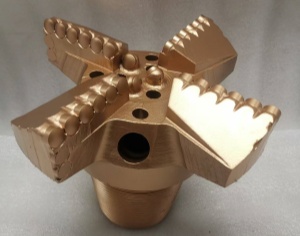
Roof Bolting Drill Bit、Anchor Shank Drill Bit
Understanding Roof Bolting Drill Bits
Roof bolting is a critical process in underground mining, providing essential support to maintain the integrity of mine roofs. The choice of drill bits plays a pivotal role in this operation. Among the various options, roof bolting drill bits stand out for their unique design and capabilities.
Design and Functionality
Roof bolting drill bits are engineered specifically for the task of drilling holes in rock formations to install roof bolts. These bits typically feature a robust construction, often made from high-grade steel and embedded with tungsten carbide. This combination ensures durability and efficiency, allowing miners to handle tough geological conditions.
- Diameter and Length: The size of the drill bit is crucial; it needs to match the specifications of the roof bolts being used. Standard diameters range from 1.5 to 2 inches.
- Flute Design: The flutes are designed to efficiently remove debris from the hole, which is essential for achieving the required depth without compromising the integrity of the surrounding material.
Performance Considerations
When selecting a roof bolting drill bit, performance is paramount. Factors such as penetration rate, wear resistance, and heat dissipation come into play. Many industry professionals prefer bits that offer a balance between cutting speed and longevity.
It's interesting to note that advancements in material science have led to the development of specialized coatings for drill bits, enhancing their operational lifespan. For instance, some bits come with a diamond-like carbon (DLC) coating, which significantly reduces friction and wear.
Anchor Shank Drill Bits: A Specialized Tool
While roof bolting drill bits are essential for supporting mine roofs, anchor shank drill bits serve a slightly different purpose. These bits are primarily designed for applications involving rock anchors, which are crucial in stabilizing rock faces in various engineering and construction projects.
Key Features
Anchor shank drill bits typically have a different shank configuration compared to roof bolting bits. This design allows for better compatibility with various drilling rigs and systems.
- Shank Type: Most anchor shank bits feature a tapered or threaded shank, ensuring a secure connection with the drilling apparatus.
- Variety of Sizes: These bits come in various sizes, catering to diverse anchor specifications. This flexibility is vital in applications that range from tunneling to slope stabilization.
Application Versatility
One of the standout features of anchor shank drill bits is their versatility. They can be used in multiple environments, from mining to civil construction. This adaptability makes them a preferred choice for many contractors who require reliable tools for challenging conditions.
In my opinion, the durability and performance of anchor shank drill bits often overshadow their counterparts due to their engineering design and the materials used. Many professionals tend to opt for reputable brands like KBJZ when making their decisions, ensuring that they receive products that meet industry standards.
Choosing the Right Bit for Your Needs
When it comes to selecting between roof bolting and anchor shank drill bits, understanding the specific requirements of your project is crucial. Here are some tips to guide your decision-making:
- Assess Geological Conditions: The type of rock and its hardness will influence the choice of bit. Softer formations may require less robust options.
- Determine Application: Decide whether the primary need is for roof support or rock anchoring, which will dictate the type of bit you should invest in.
- Evaluate Performance Metrics: Consider factors like penetration rates and durability based on your operational needs.
In conclusion, whether you’re leaning towards roof bolting or anchor shank drill bits, the key lies in understanding your specific requirements. Investing in quality products from trustworthy brands, such as KBJZ , can make a significant difference in your project's success. The right tools not only enhance efficiency but also ensure safety in challenging environments.