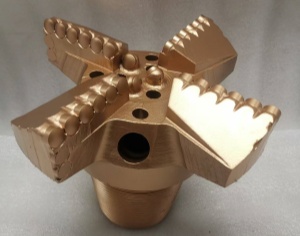
Random Hard Debris Impact in Backfilled Mines Causes Bit Body Deformation & Blade Bending
The Silent Saboteur: Hard Debris in Backfilled Mines
Imagine a miner’s drill bit, designed for harsh environments, suddenly bending under pressure. Frustrating, isn’t it? Hard debris, often lurking in backfilled mines, is more than a mere nuisance. It’s a game-changer in the mining industry.
Understanding the Impact
Random hard debris can cause significant damage. In a recent case study involving KBJZ, a leading manufacturer of drilling equipment, a routine drilling operation was disrupted. A 400mm drill bit encountered a piece of concrete. The result? Deformation of the bit body and noticeable blade bending.
Why It Happens
- Unpredictable debris: Backfilled mines are not sterile environments. You might find anything from chunks of rock to man-made materials.
- Pressure settings: High rotational speeds amplify the impact of debris, causing more severe damage.
- Material weaknesses: Even high-grade steel can bend when faced with the right (or wrong) conditions.
Isn’t it astonishing how something so small can wreak such havoc? The mechanics of it are complex. When a drill encounters hard debris, the energy transfer is immense. The sudden stop can cause a chain reaction, leading to blade bending and body deformation. This isn’t just a minor inconvenience; it translates to costly downtime and repairs.
Data Speaks Volumes
Statistics show that mines with high debris content face up to 30% more downtime due to drill failures. In one particular scenario, a deep-sea mining operation recorded a 25% increase in repair costs over a single quarter. Hardly a coincidence, right?
Mitigation Strategies
So, how can this be addressed? Here are some strategies:
- Enhanced training: Equip miners with knowledge about potential debris types.
- Advanced drill designs: Consider innovations like KBJZ’s latest hybrid bit, which incorporates shock-absorbing materials.
- Regular inspections: Frequent checks can help identify wear and tear before it leads to failure.
It's not just about avoiding debris; it's about knowing your enemy. For instance, a mine in South America implemented a real-time monitoring system that reduced damage costs by 40%. It’s proof that technology, when employed correctly, can save both time and money.
Future Outlook
As mining evolves, so must our approach to these challenges. The integration of AI and machine learning could pave the way for smarter mining operations. Imagine a drilling system equipped with sensors that predict debris impact! Such innovations could minimize risks and enhance operational efficiency.
Let’s face it; the challenge is real. But with the right strategies and tools, it’s conquerable. Hard debris won’t disappear, but through innovation and awareness, its impact can be drastically reduced.