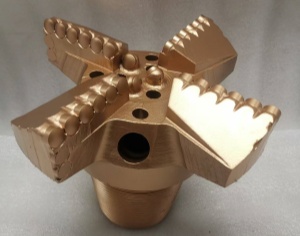
PDC Non-Coring Drill Bit、PDC matrix body bit cost
PDC Non-Coring Drill Bits: Overview and Applications
PDC non-coring drill bits are engineered to optimize drilling efficiency in various geological formations. These bits leverage polycrystalline diamond compact (PDC) technology, particularly noted for their superior wear resistance and impact strength. As such, they find extensive utility in mining, geological exploration, and water well drilling.
Construction and Material Composition
The construction of PDC non-coring bits typically involves a matrix body made from high-quality tungsten carbide. This material is selected due to its dense structure and exceptional strength, which minimizes the likelihood of cracking under high-stress conditions. The bits often come equipped with 1304 or 1305 PDC cutters that facilitate quick penetration and efficient cuttings removal, essential for maintaining productivity in challenging environments.
Applications in Geological and Mining Operations
PDC non-coring bits excel in medium-hard to hard rock formations, making them invaluable in a variety of drilling operations:
- Mining: Their robust design allows for effective use in underground tunneling and surface mining.
- Geological Prospecting: These bits are critical for obtaining samples from different strata without the need for coring.
- Water Well Drilling: A substantial number of water well projects utilize PDC bits due to their reliability and efficiency.
Cost Considerations for PDC Matrix Body Bits
The cost of PDC matrix body bits can vary significantly based on various factors, including size, customization, and the specific application. Generally, these bits are considered a cost-effective solution due to their longevity and reduced need for frequent replacements.
Factors Influencing Pricing
Several key factors influence the pricing of PDC matrix body bits:
- Material Quality: The use of premium tungsten carbide and high-grade PDC cutters typically results in higher upfront costs, offset by longer service life.
- Custom Features: Tailor-made options, such as specific blade designs or thread types, may increase the overall cost.
- Market Demand: Fluctuations in the mining and drilling sectors can lead to variability in pricing based on demand and supply dynamics.
Comparative Analysis with Other Drill Bits
When comparing PDC matrix body bits with conventional drill bits, the former often demonstrate a lower overall cost of ownership. While the initial investment might be higher, the extended operational lifespan and efficiency of PDC bits can lead to significant savings over time.
Performance and Durability
The performance characteristics of PDC non-coring drill bits are closely tied to their design and material properties. With a vacuum heat-treated alloy steel body, these bits are built to endure the rigors of demanding drilling conditions.
Impact Resistance and Wear Resistance
One of the standout features of PDC matrix body bits is their impressive impact resistance, which allows them to navigate through tough geological formations without sustaining significant damage. Additionally, the excellent wear resistance of tungsten carbide ensures that the bits maintain their cutting efficiency over prolonged usage, thereby reducing downtime and maintenance costs.
Customization Options
Recognizing that different projects may have unique requirements, manufacturers of PDC bits, such as KBJZ, offer extensive customization options. Clients can request variations in blade quantity, cutter layout, body structure, and thread types to tailor the drill bits to specific operational needs.
Conclusion and Future Perspectives
As industries continue to evolve, the demand for efficient and durable drilling solutions grows. PDC non-coring bits, with their advanced material composition and engineering, are poised to meet this demand effectively. With ongoing advancements in technology, further enhancements in performance and cost-efficiency can be expected in the coming years, solidifying their place in the drilling sector.