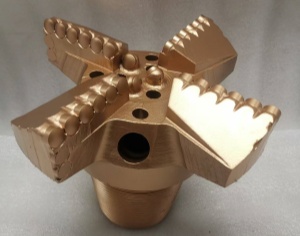
PDC Matrix Bit、PDC Sintered Bit
Understanding PDC Matrix Bits and PDC Sintered Bits
PDC (Polycrystalline Diamond Compact) drill bits are pivotal in modern drilling applications, particularly for their efficiency and durability in a range of geological conditions. Among the various types of PDC bits, the PDC Matrix Bit and PDC Sintered Bit stand out due to their unique construction and application advantages.
PDC Matrix Bits: Design and Applications
PDC Matrix Bits are designed specifically for hard rock formations, utilizing a matrix body that is manufactured from tungsten carbide. This construction provides a dense structure that enhances the strength and impact resistance of the bit, making it less prone to cracking under extreme conditions.
One of the key advantages of using PDC Matrix Bits is their superior wear resistance, which is crucial for prolonged drilling operations. These bits are particularly effective in geological exploration, mining, and water well drilling. The incorporation of high-quality 1304/1305 PDC cutters further ensures a fast penetration rate and efficient cuttings removal, ultimately optimizing the drilling process.
Specifications and Performance
- Material: High-quality tungsten carbide matrix
- Cutter type: 1304/1305 PDC cutters
- Applications: Suitable for medium to hard rock formations
- Advantages: High impact resistance, excellent wear resistance, and stable drilling performance
The versatility of PDC Matrix Bits allows for various customizations, including diameter, blade configuration, and thread types, catering to specific drilling needs across different industries.
PDC Sintered Bits: Characteristics and Benefits
Similar to their matrix counterparts, PDC Sintered Bits are also constructed with high-quality tungsten carbide but are characterized by their sintered body, formed through a high-pressure sintering process. This method results in a uniform grain structure, which significantly enhances the bits' hardness and abrasion resistance.
The PDC Sintered Bit's robust design and construction make it particularly suitable for challenging geological conditions, including both soft and hard rock formations. With a body made from 42CrMo alloy steel and vacuum heat treatment, these bits exhibit stability during drilling operations, ensuring long service life and consistent performance.
Technical Features and Customization
- Body Material: 42CrMo alloy steel with vacuum heat treatment
- Cutter Options: Multiple PDC cutter designs available
- Usage: Widely applicable in mining tunneling, pile foundation construction, and geological prospecting
- Customization: OEM non-standard variations available to meet diverse drilling requirements
The ability to tailor the PDC Sintered Bit to meet specific project needs allows drilling contractors to optimize their operational efficiency and effectively tackle various geological challenges.
Comparison of PDC Matrix Bits and PDC Sintered Bits
While both PDC Matrix Bits and PDC Sintered Bits offer unique advantages, the choice between them often depends on the specific requirements of the drilling project. PDC Matrix Bits are noted for their high impact resistance and efficiency in hard formations, whereas PDC Sintered Bits excel in terms of hardness and durability, making them versatile across different rock types.
Key Takeaways
- PDC Matrix Bits are ideal for hard rock drilling with enhanced wear resistance.
- PDC Sintered Bits offer exceptional durability and adaptability for various geological conditions.
- Customization options are available for both types of bits, allowing for tailored solutions that meet specific project requirements.
In conclusion, the choice between PDC Matrix Bits and PDC Sintered Bits hinges on the operational parameters and geological conditions faced by drilling engineers. Brands such as KBJZ provide a comprehensive range of these bits, ensuring that clients have access to the tools necessary for successful drilling initiatives.