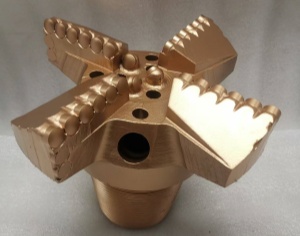
Oilfield Fishing Tap、Drill Pipe Fishing Tool
Understanding Oilfield Fishing Tools
In the drilling industry, the challenges of retrieving lost equipment can be daunting. Oilfield fishing tools, particularly the Fishing Tap and Drill Pipe Fishing Tool, play a critical role in overcoming these obstacles. These tools are designed to salvage equipment that has become lodged in boreholes, ensuring that operations can continue with minimal downtime.
Why Fishing Tools Matter
When drill pipes or drill rods break or become stuck, it can halt production and lead to costly delays. The significance of fishing tools can't be overstated. They provide a lifeline in challenging situations, allowing for efficient recovery of lost equipment. The Drill Pipe Fishing Tool is particularly notable for its versatility, handling various sizes of drill rods, including popular dimensions like Φ42mm, Φ50mm, and up to Φ89mm.
Key Features of Fishing Tools
- Designed for high durability, fishing tools like the Fishing Tap ensure resilience against harsh drilling environments.
- Compatibility with various casing sizes, such as Φ89mm and Φ108mm, provides flexibility for multiple drilling scenarios.
- Constructed from high-quality materials like DZ40 and 42CrMo, these tools resist collapse and deformation during recovery operations.
- Custom threads can be manufactured to meet specific operational needs, which is essential for large-scale projects.
Applications in the Field
Fishing tools are indispensable in several applications, including:
- Geological Exploration: Salvaging lost tools ensures continuous operations in geological surveys.
- Water Well Drilling: Effective recovery of equipment prevents interruptions in water supply projects.
- Core Sampling: Ensures that sample integrity is maintained without compromising ongoing drilling activities.
- Mining Drilling: Quick recovery from malfunctioning equipment is crucial in mining operations to minimize production lags.
Drilling Rig Components and Their Impact
To effectively utilize fishing tools, understanding the complete set of drilling rig components is essential. From drill rods to casing, each plays a role in the overall efficiency of drilling operations.
Drill Rods and Their Variability
The range of drill rod sizes available, including Φ60mm and Φ73mm, allows for adaptability across different drilling environments, be it sand, loose soil, or hard rock formations. This variability is critical because different geological conditions require tailored solutions.
Casing Selection
Casing is another integral part of drilling operations. With sizes ranging from Φ127mm to Φ219mm, selecting the right casing is crucial for maintaining borehole stability. The materials used, such as R780, ensure high collapse resistance, which is particularly beneficial in unstable formations.
Integration of Fishing Tools with Drilling Rig Accessories
For optimal performance, fishing tools should be integrated with other drilling rig accessories. The Drill Rod Adapter, for example, enhances compatibility and performance during recovery operations. Being a direct factory for drilling casing and accessories, brands like KBJZ ensure that all components work in harmony, thereby enhancing operational efficiency.
Challenges in the Field
While fishing tools are designed to alleviate issues, challenges still exist. The need for skilled operators who understand the nuances of different tools is paramount. Without proper training, the risk of further complicating the fishing process increases. In my experience, investing in operator training is just as crucial as the tools themselves.
Conclusion: The Future of Fishing Tools
As drilling technology continues to evolve, so too will fishing tools. The demand for more efficient and durable solutions will drive innovation in this sector. While the Fishing Tap and Drill Pipe Fishing Tool are already well-equipped for today’s challenges, the future promises even more advanced designs and materials. The industry must continue adapting to meet the ever-changing landscape of drilling operations.