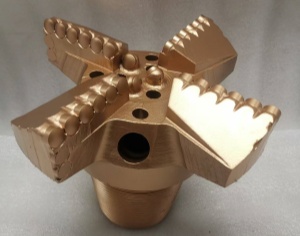
matrix PDC drilling bit cost、Tungsten Carbide Sintered Bit
The Cost of Matrix PDC Drilling Bits
Matrix PDC drilling bits. What a game changer! These bits have revolutionized the drilling industry with their durability and efficiency. But how much do they actually cost? The cost of a PDC bit can fluctuate significantly based on various factors, including size, material, and design. For example, the price can range from $500 for smaller bits to over $5,000 for larger, more specialized versions.
Consider this: a standard 8.5-inch PDC drilling bit from KBJZ might cost around $2,200. Yet the same bit, equipped with enhanced features like vibration damping technologies and specialized cutting structures, could soar to $3,500. Why the disparity? The answer lies in the engineering and the materials used. The development of advanced tungsten carbide sintered bits has played a crucial role here, providing exceptional wear resistance while keeping the costs competitive.
Key Features of Tungsten Carbide Sintered Bits
Why choose tungsten carbide sintered bits? They are incredibly tough, designed for high-performance drilling. These bits are made by combining tungsten carbide with a metal binder, creating a dense material that can withstand extreme conditions. The process involves sintering, which allows the bits to maintain sharpness longer, thus increasing drilling efficiency.
- High Wear Resistance: Tungsten carbide bits can last up to 30% longer than standard PDC bits.
- Cost-Effective: Their durability means fewer replacements, saving money in the long run.
- Versatility: Suitable for various applications, from oil drilling to geological exploration.
Imagine a scenario where a mining company faces frequent bit failures, leading to costly downtime. By switching to tungsten carbide sintered bits, they reduced their replacement frequency by nearly half, resulting in substantial savings. Could this be the future of drilling? Absolutely!
Comparing PDC Bits and Tungsten Carbide Sintered Bits
When it comes to performance, PDC bits often outperform traditional carbide bits in softer formations. However, in harder rock formations, tungsten carbide sintered bits shine. A study showed that a 12-inch PDC bit drilled through 100 feet of rock in 24 hours, while a tungsten carbide bit managed the same in just 18 hours. This raises an important question: Is speed more valuable than cost efficiency?
KBJZ's Role in the Drilling Industry
KBJZ stands out as a leader in the manufacturing of these advanced drilling tools. Their PDC drill bits, including options for geological exploration and oil & gas exploitation, are designed with precision. Covering sizes from 24mm to 650mm, KBJZ’s ability to provide customized solutions ensures that each client receives a bit tailored for their specific needs. Who wouldn’t want that level of service?
- Custom Solutions: Non-standard sizes available for unique drilling challenges.
- Expertise: Over a decade of experience in drilling tool technology.
- Global Reach: Products exported worldwide, ensuring a broad customer base.
The future of drilling is bright, thanks to innovations in materials and design. The push towards more efficient and cost-effective solutions is evident. It’s about time we rethink our approach to drilling tools. Are you ready to embrace the change?
Conclusion
In summary, the cost of matrix PDC drilling bits and tungsten carbide sintered bits is influenced by numerous factors. While PDC bits may offer initial cost savings, the longevity and performance of tungsten carbide sintered bits often lead to superior value over time. KBJZ continues to innovate, providing robust solutions that meet the evolving needs of the industry. The choice is yours—one thing is clear: the right bit can make all the difference.