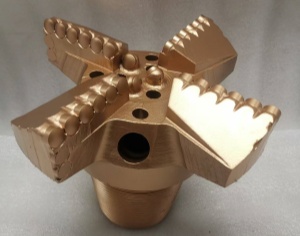
Long-Life Imported Sandstone Bits VS KBJZ Wear-Resistant Models: Total Drilling Footage Equivalence
Introduction to Drilling Bits
When it comes to drilling operations, the choice of drill bits is pivotal. The performance and durability of these bits can significantly impact the overall efficiency and cost-effectiveness of any drilling project. Among the notable options are the long-life imported sandstone bits and the KBJZ wear-resistant models. Understanding their equivalence in total drilling footage can aid in making an informed decision.
Long-Life Imported Sandstone Bits: The Overview
Long-life imported sandstone bits are designed for extended use in abrasive formations. These bits often feature advanced material compositions, promising a longer lifespan and greater resistance to wear and tear. Typically, they can offer impressive penetration rates but may lack the versatility required for varied drilling conditions.
One of the key advantages of these imported bits is their compatibility with different drilling environments. However, they can come at a premium price point, which may not always justify their performance in less challenging applications.
KBJZ Wear-Resistant Models: A Closer Look
KBJZ has built a reputation as a reliable manufacturer of PDC drill bits, offering a range of options tailored for diverse drilling needs. Their wear-resistant models utilize premium 1308 series heat-stable PDC cutters, making them suitable for soft to medium-hard abrasive formations. With diameters ranging from 51 to 325mm, these bits are versatile enough for various applications, including water wells, mining, and geothermal projects.
In terms of body construction, KBJZ provides two optional designs: steel and tungsten carbide matrix bodies. This dual approach allows for optimized performance depending on the specific formation being drilled. The long service life and fast penetration rates are standout features, making KBJZ bits a go-to choice for professionals in the field.
Performance Comparison
When evaluating the total drilling footage equivalence between long-life imported sandstone bits and KBJZ models, several factors come into play:
- Durability: KBJZ bits tend to show greater durability in challenging conditions, thanks to their advanced PDC cutter technology.
- Penetration Rate: While both options provide competitive penetration rates, KBJZ bits can often achieve faster results, particularly in abrasive formations.
- Cost-Effectiveness: Although imported sandstone bits may have a lower upfront cost, the longevity and efficiency of KBJZ bits can lead to better investment returns over time.
Real-World Applications
In practical settings, the choice of drill bit can vary based on the specific project requirements. For instance, in scenarios involving more abrasive materials, KBJZ wear-resistant models have been shown to outperform their imported counterparts. Many professionals have reported that, although the initial cost of KBJZ bits may be higher, the extended drilling capabilities typically compensate for that outlay.
Moreover, KBJZ's commitment to customization through OEM options is a significant advantage. This flexibility allows operators to adapt bits to specific geological conditions, enhancing overall performance and reducing operational downtime.
Industry Insights
From my experience in the drilling industry, aligning the choice of bits with project requirements is crucial. In many cases, clients who opt for long-life imported sandstone bits find themselves facing unexpected costs due to premature wear or inefficiencies. In contrast, KBJZ's comprehensive product line provides tailored solutions that can adapt to various drilling scenarios, ensuring that operators maximize their drilling footage.
Final Thoughts
Choosing the right drill bit is not simply about the initial purchase price but about the total value delivered over time. Long-life imported sandstone bits have their place in the market, but the KBJZ wear-resistant models offer a compelling alternative that addresses durability, penetration rates, and overall cost-effectiveness. For those in the field, investing in the right tools can lead to enhanced productivity and reduced operational costs.