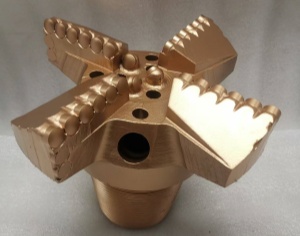
karst cave drilling bit、API REG threaded reamer
Understanding Karst Cave Drilling Bits
Karst formations, with their unique geological features, present both challenges and opportunities in drilling operations. When it comes to drilling in such environments, the choice of the right bit is crucial. Karst cave drilling bits are specifically designed to tackle the complexities of these formations, allowing for efficient and effective drilling.
What Makes Karst Cave Drilling Bits Unique?
Karst cave drilling bits are engineered to navigate the unpredictable nature of karst terrains. These bits typically have:
- Enhanced Durability: Made from high-quality materials, they can withstand the abrasive conditions often found in karst formations.
- Specialized Design: Features like a tapered shape and unique tooth configurations help achieve better penetration rates.
- Versatility: Suitable for various drilling techniques, including rotary and percussion drilling, making them adaptable to different project needs.
In my experience, investing in a quality karst cave drilling bit significantly reduces downtime. There’s nothing more frustrating than a bit failing in the middle of a project due to inadequate design for the specific geological conditions.
The Role of API REG Threaded Reamers
In the drilling industry, API REG threaded reamers are indispensable tools. These reamers are tailored for various applications, including wellbore enlargement and ensuring proper hole integrity.
Benefits of Using API REG Threaded Reamers
One of the standout features of API REG threaded reamers is their compatibility with standard drilling rigs. This compatibility provides a seamless integration process, which is vital in maintaining operational efficiency.
- Standardization: API REG threads ensure that these reamers can be used across a wide range of equipment, minimizing the need for specialized tools.
- Improved Hole Quality: The design allows for smooth reaming, reducing the possibility of hole collapse.
- Ease of Use: The threaded connection simplifies the process of attaching and detaching the reamer, making it user-friendly.
From my perspective, the ease of use cannot be overstated. Having worked with various drilling tools, I've found that a straightforward attachment process saves precious time on the rig.
Combining Technologies for Optimal Results
Using karst cave drilling bits in conjunction with API REG threaded reamers can create a powerful synergy. The specialized design of the bits allows for effective penetration, while the reamers ensure that the hole remains stable and of the right diameter.
In practice, this combination can lead to:
- Increased Efficiency: Faster drilling times due to better penetration and stability.
- Cost-Effectiveness: Reduced need for re-drilling or additional stabilization measures.
- Enhanced Safety: Minimized risk of blowouts or equipment failures.
It's clear that by integrating these tools, drilling operations can be significantly optimized, especially in challenging karst environments.
Future Trends in Drilling Technologies
As the drilling industry evolves, the demand for more efficient and sustainable solutions is on the rise. New materials and technologies are being developed to enhance the effectiveness of karst cave drilling bits and API REG threaded reamers.
- Smart Technologies: Integration of sensors for real-time monitoring of drilling conditions.
- Eco-Friendly Materials: Development of bits made from sustainable materials without compromising performance.
In my opinion, these advancements are not just trends but necessary steps toward addressing the challenges faced by modern drilling operations. Companies like KBJZ are at the forefront of these innovations, consistently pushing the envelope in drilling technology.
Final Thoughts
Choosing the right tools for karst cave drilling operations is essential for success. Karst cave drilling bits, when paired with API REG threaded reamers, provide a robust solution that addresses both the challenges and complexities of drilling in these unique geological formations. The future looks promising with ongoing advancements, making it an exciting time to be part of this industry.