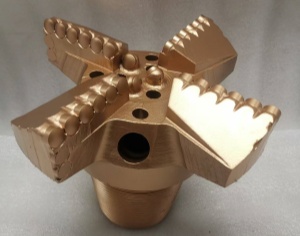
Itemized Quotation Breakdown of All Craft Costs for High-Temperature Geothermal Deep Well Bits
Understanding the Craft Costs of Geothermal Deep Well Bits
Diving into the realm of geothermal energy, one quickly realizes that the tools we use are paramount. High-temperature geothermal deep well bits are essential for tapping into the Earth’s heat. But what does it really cost to craft these specialized tools? Let’s break down the itemized quotation of various costs involved.
Materials: The Foundation of Quality
First things first, the materials. The type and quality of materials significantly impact the overall cost. Here’s a quick rundown:
- Steel Alloys: High-grade steel alloys are essential due to their durability and heat resistance. Expect to spend a hefty chunk here.
- Ceramics: Often used for wear-resistant components, ceramics help the bits withstand extreme temperatures.
- Special Coatings: Think of these as armor. Coatings enhance performance but can add an additional layer to your budget.
In total, materials can account for about 40-60% of the total cost of a deep well bit, depending on the specifications.
Labor: Skilled Hands at Work
Next up is labor. Crafting a high-quality geothermal bit isn’t just about machines; it requires skilled artisans. This includes:
- Machinists: Precision in machining is crucial. These folks ensure each bit meets stringent standards.
- Quality Assurance Technicians: Before anything leaves the shop, it’s rigorously tested.
- Welders and Assemblers: Their work ties everything together, literally!
Labor costs can range from 20-30% of the total project cost, depending on the complexity of the bit design and the expertise required.
Research and Development: Innovating for the Future
Let’s not forget R&D. High-temperature geothermal technology is ever-evolving, and investing in research is vital. This includes:
- Design Prototyping: Testing new designs can be a costly endeavor, but it’s necessary for advancement.
- Field Testing: Once a new bit is developed, it needs to be tested under actual geothermal conditions to ensure it performs as expected.
All in all, R&D can add another 10-20% to the cost structure, but it’s crucial for staying competitive in the geothermal market.
Logistics and Supply Chain: Getting It There
So, you’ve got your bits crafted, but how do they get to the site? Logistics is key, and it can be surprisingly tricky:
- Shipping Costs: Depending on the destination, shipping can get expensive, especially if you need expedited delivery.
- Storage Fees: If you need to store bits before deployment, those costs can add up.
- Customs and Duties: If you’re sourcing materials from abroad, don’t underestimate these charges.
Logistics can take a bite out of your budget too—around 5-15% is common.
Overhead and Miscellaneous Costs
Let’s wrap up with overheads. This includes all those pesky little expenses that can sneak up on you:
- Utilities: Powering the workshop isn’t free!
- Maintenance: Keeping machines in top shape is an ongoing cost.
- Administrative Costs: Don’t forget about the paperwork—it adds up!
Overhead costs can generally account for about 10-15% of the total expenses.
The Bottom Line: Total Cost Estimation
So, what does it all boil down to? If you’re looking at a high-quality geothermal deep well bit, expect the total costs to vary widely, but a rough estimate could look like this:
- Materials: 40-60%
- Labor: 20-30%
- R&D: 10-20%
- Logistics: 5-15%
- Overhead: 10-15%
All in all, a well-crafted geothermal bit can cost anywhere from several thousand to tens of thousands of dollars. Brands like KBJZ have been known for their innovative approaches in this field, but remember—quality comes at a price!
In conclusion, understanding these costs helps stakeholders make informed decisions, ultimately leading to better projects and advancements in geothermal technology.