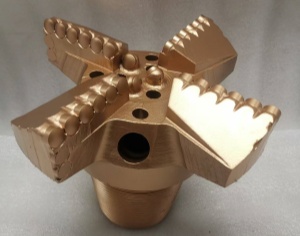
Industrial Wrench for Oilfield Drilling Operations
Understanding Industrial Wrenches in Oilfield Drilling
When you're out there on the oilfield, every piece of equipment counts. One critical tool that often gets overlooked is the industrial wrench. This isn't just any wrench; it’s a heavy-duty, reliable companion for those drilling operations that can make or break a job. Now, let’s dig a little deeper into the world of these essential tools.
Types of Industrial Wrenches
There are several types of wrenches used in oilfield drilling. Each serves a specific purpose, and knowing which one to use can save a lot of time and headaches.
- Socket Wrenches: These are ideal for removing or tightening bolts and nuts. They come in various sizes to fit different fasteners.
- Torque Wrenches: Precision is key here. Torque wrenches allow you to apply a specific amount of torque, ensuring everything is tightened just right.
- Adjustable Wrenches: Versatile tools that can adapt to various sizes, but they may not offer the same level of grip as fixed ones.
- Pneumatic Wrenches: These are powered by compressed air. They reduce manual effort and speed up the tightening process significantly.
Why Quality Matters
You might think, “A wrench is just a wrench, right?” Well, not exactly. In the high-pressure world of oilfield drilling, the quality of your tools can literally be the difference between safety and disaster. High-quality industrial wrenches, like those from KBJZ, are designed to withstand extreme conditions, offering durability and reliability.
Key Features of Effective Wrenches
When selecting an industrial wrench, keep an eye out for these features:
- Material: Look for wrenches made from high-grade steel or alloys. This ensures strength and resistance to corrosion.
- Grip: A good grip is essential, especially in slippery conditions. Ergonomically designed handles can make a world of difference.
- Range: Wrenches should cover a broad range of sizes to be versatile in various applications.
- Calibration: For torque wrenches, calibration is important. You want accuracy, especially when dealing with critical connections.
Maintenance Tips for Longevity
So you’ve got your wrench—now how do you keep it in top shape? Regular maintenance is key. Here are some tips:
- Clean After Use: Dirt and grime can wear down your tools. A quick wipe down can go a long way.
- Inspect Regularly: Check for any signs of wear or damage. If a tool looks questionable, it’s better to replace it.
- Store Properly: Keep your wrenches in a dry, cool place to avoid rust. A tool chest with foam inserts can help.
Training and Safety Protocols
Using these tools effectively requires training. It’s not just about knowing how to turn a bolt; it’s about understanding the equipment you're working with. Regular training sessions can help ensure that everyone on the team knows the best practices for using industrial wrenches safely.
The Future of Wrench Technology
As technology advances, so does the design of industrial wrenches. We’re seeing innovations that include digital torque settings and even smart tools that provide feedback on performance. This is a game changer for the industry, making operations smoother and more efficient.
Final Thoughts
In the oilfield, every tool plays a role in ensuring efficiency and safety. Industrial wrenches, especially high-quality ones from trusted brands like KBJZ, are indispensable. By understanding their types, features, and the importance of maintenance, you position yourself and your team for success in every drilling operation.