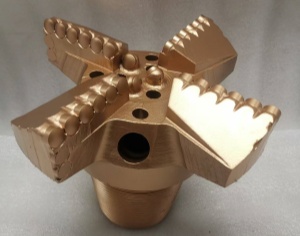
Imported Universal Bits For Alternating Strata VS KBJZ Adaptive Multi-Formation Bits Field Test
Introduction to Universal Bits and KBJZ Adaptive Multi-Formation Bits
In the drilling industry, the choice of bits can make or break a project. With varying geological formations and drilling conditions, the effectiveness of drill bits can significantly influence both efficiency and cost. Imported universal bits have long been a staple in many operations, but recent field tests of KBJZ adaptive multi-formation bits have sparked considerable interest.
Performance Comparison: Imported Universal Bits
Imported universal bits are designed to handle a broad range of formations, making them a versatile option for many drilling applications. These bits typically feature advanced materials and designs that allow them to penetrate soft to medium-hard formations effectively. However, their performance can wane in challenging conditions, such as alternating strata, which often require more specialized solutions.
- Material Durability: Universal bits usually rely on high-grade steel and carbide components, optimizing their performance for softer rock.
- Penetration Rate: While they can achieve decent penetration rates, this efficiency tends to decline when faced with harder or more abrasive materials.
- Cost-Effectiveness: The initial investment in these bits may be lower, but the cumulative costs from frequent replacements can escalate quickly.
Exploring the KBJZ Adaptive Multi-Formation Bits
On the other side of the spectrum, KBJZ has introduced adaptive multi-formation bits that are specifically engineered for challenging geological conditions. With a focus on enhancing durability and efficiency, these bits offer several advantages over traditional universal options.
Technical Specifications
- Cutting Technology: KBJZ bits utilize premium 1308 series heat-stable PDC cutters, providing superior wear resistance and longevity.
- Diameter Range: Available in diameters from 51mm to 325mm, these bits cater to a wide range of drilling needs, from water wells to geological explorations.
- Body Composition: With options for steel or tungsten carbide matrix bodies, KBJZ bits are tailor-made for both soft and medium-hard abrasive formations.
Field Test Results
Field tests of KBJZ adaptive bits have shown promising results, especially in alternating strata conditions. These bits not only maintained a high penetration rate but also showcased enhanced stability in borehole quality compared to their imported counterparts.
Operators noted that the KBJZ bits outperformed expectations, particularly in terms of service life and reliability. While universal bits often struggled with wear and breakage in challenging formations, the adaptive features of KBJZ bits allowed for sustained performance over extended periods.
Industry Feedback and Observations
Feedback from industry professionals has been overwhelmingly positive regarding the KBJZ adaptive bits. Many noted that while the initial cost may be higher than universal bits, the return on investment through reduced maintenance and downtime is significant. From my perspective, this is a crucial consideration for any operation looking to optimize drilling performance.
Moreover, KBJZ's commitment to OEM customization means that they can adapt their products to meet specific project requirements, a notable advantage for companies operating in diverse geological conditions. The support for drilling tools in various applications such as mining, oil, and geothermal projects further emphasizes their versatility.
Conclusion: Which Bit to Choose?
Ultimately, the choice between imported universal bits and KBJZ adaptive multi-formation bits hinges on the specific needs of each drilling project. For projects facing varied and challenging geological conditions, the investment in KBJZ bits appears justified. Their proven performance in field tests and adaptability to different formations can lead to significant operational efficiencies.
As the drilling industry continues to evolve, companies must stay informed about the innovations and options available. In my view, the KBJZ adaptive multi-formation bits represent a step forward in drilling technology, promising not only enhanced productivity but also a more sustainable approach to resource extraction.