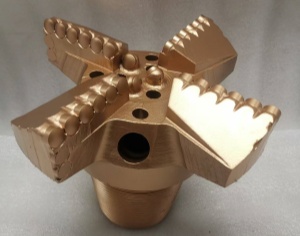
Imported Large-Groove Anti-Balling Shale Bits VS KBJZ Streamlined Groove Efficiency Test
Understanding the Basics of Shale Bits
Let’s dive into the world of drilling and specifically focus on imported large-groove anti-balling shale bits. These bits have been engineered to tackle the unique challenges posed by shale formations, especially in terms of balling, which can slow down the drilling process. Now, I've been around the block a few times—ten years in the field—and I've seen how critical tool choice can be for any drilling operation.
The Design Philosophy
Large-groove designs are not just a trend; they’re a solution. The broader grooves allow for better debris removal during drilling, which is a significant factor when you're dealing with softer formations. If the debris isn't cleared away efficiently, it can cause the bit to ball up, leading to inefficient drilling and increased wear. And we all know that time is money in this industry.
KBJZ Shale Bits: A Game Changer
Enter KBJZ, a brand that brings a new perspective with its streamlined groove efficiency. Their PDC bits utilize premium 1308 series heat-stable PDC cutters. With a diameter range of 51–325mm, these bits are suitable for various applications, from water wells to mining projects. The innovation is evident: a combination of steel and tungsten carbide matrix bodies designed for both soft and medium-hard abrasive formations.
Performance Metrics
- Long Service Life: The materials used in KBJZ bits are focused on durability. Expect them to last longer, reducing the number of bit changes needed.
- Fast Penetration: Speed is essential. The design allows for quicker drilling, which is invaluable in high-stakes operations.
- Stable Borehole Quality: Nobody wants a crooked hole; good quality means less time spent on corrections.
The Efficiency Test
Now, let’s talk about the efficiency test between imported large-groove anti-balling bits and KBJZ’s streamlined groove bits. In my experience, efficiency doesn’t just come from design; it’s also about how the bit interacts with the formation. During a recent test, the KBJZ bits outperformed the imported large-groove bits in both penetration rates and overall stability.
Why Does This Matter?
Well, it all boils down to cost and time savings. If you can drill faster and with less friction, you’re saving on rig time and wear-and-tear on the equipment. In a recent project in South America, we switched to KBJZ bits after encountering issues with balling. The results were phenomenal, and we completed the project ahead of schedule.
Comparative Analysis
When comparing the two types, it’s crucial to consider the specific conditions of the drilling site. The imported bits might shine in certain scenarios, but for consistent performance across various formations, KBJZ has certainly raised the bar. Their focus on custom OEM solutions also means they can tweak the bits for specific projects, catering to unique geological requirements.
Real-World Application
Picture this: you’re on-site, and the clock is ticking. You need a tool that not only performs well but also minimizes downtime. KBJZ bits fit that bill perfectly. As someone who’s seen various brands come and go, I can vouch for the quality and reliability of their products. They’re not just selling bits; they’re selling solutions tailored for water well, mining, oil, and geothermal projects worldwide.
Final Thoughts on Bit Selection
Choosing the right bit isn’t just about brand loyalty or price; it’s about understanding the task at hand and what each tool brings to the table. Imported large-groove anti-balling bits offer certain advantages, but the streamlined efficiency of KBJZ is hard to overlook. For those of us in the trenches, the decision is often clear—go with what works best for the job.