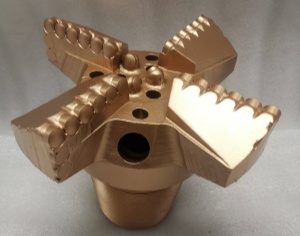
How to use PDC bit、integrated PDC bit、Heavy duty PDC bit、HDD PDC cutter bit
Fundamentals of PDC Bits and Their Applications
Polycrystalline Diamond Compact (PDC) bits are a cornerstone in modern drilling technology, designed to optimize penetration rates and bit longevity across diverse geological formations. Their widespread adoption in sectors such as mining, geological exploration, oil and gas extraction, and water well drilling is a testament to their efficiency and durability. The structural integration of diamond cutters on the bit surface enables these tools to maintain cutting performance even under extreme operational stress.
Usage and Characteristics of Standard PDC Bits
Standard PDC bits, often referred to simply as PDC drill bits, are engineered primarily for medium to hard rock formations. The bits incorporate a matrix body embedded with PDC cutters that achieve rock cutting through shearing rather than crushing. This mechanism is particularly advantageous in formations with varying abrasiveness and hardness, where conventional roller cone bits might fall short.
- Selection: The choice of cutter size, density, and orientation directly influences drilling efficiency and tool life.
- Drilling Parameters: Optimizing weight on bit (WOB) and rotational speed (RPM) is crucial to avoid premature cutter damage.
- Cooling and Lubrication: Utilizing drilling fluid, often water-based or oil-based muds, is essential to dissipate heat and flush cuttings away from the bit face, thereby preserving cutter integrity.
KBJZ specializes in producing a wide range of PDC bits, including sizes from 24mm to 650mm, accommodating numerous drilling requirements with both standard and custom configurations.
Integrated PDC Bits: Enhanced Structural Design
Integrated PDC bits represent an evolution in bit engineering where the cutter and bit body are manufactured as a unified component, often through advanced sintering or brazing techniques. This design reduces the likelihood of cutter loss and improves the overall strength of the bit.
- Advantages: Enhanced durability and resistance to bit body wear, leading to extended service intervals and reduced operational downtime.
- Application Suitability: Particularly effective in environments where bit body erosion due to abrasive cuttings or corrosive fluids is a concern.
- Manufacturing Complexity: The integrated approach requires precise quality control and sophisticated production methods to ensure uniform cutter placement and bonding strength.
Users opting for integrated PDC bits from manufacturers like KBJZ benefit from rigorous quality standards and tailored bit designs matched to specific formation characteristics.
Heavy Duty PDC Bits for Demanding Drilling Environments
Heavy duty PDC bits are engineered to withstand the rigors of highly abrasive, hard rock, and high-impact drilling scenarios. Their construction features thicker bit bodies, reinforced blades, and larger or more numerous PDC cutters, optimized to maximize stability and reduce the risk of premature failure.
- Design Considerations: Increased cutter density and blade robustness enhance penetration rates in challenging formations while mitigating damage from vibrations and shock loading.
- Operational Parameters: These bits often require higher torque and controlled WOB to maintain optimal cutter engagement and bit longevity.
- Use Cases: Heavy duty PDC bits excel in mining operations, hard rock foundation drilling, and other scenarios where standard PDC bits would experience accelerated wear.
HDD PDC Cutter Bits in Horizontal Directional Drilling
Horizontal Directional Drilling (HDD) employs specialized PDC cutter bits designed to facilitate precise directional control and efficient soil and rock penetration. HDD PDC cutter bits are optimized for a wide range of subsurface conditions, from soft clay to compacted rock layers.
- Bit Configuration: Cutter placement and blade geometry are tailored to reduce torque fluctuations and improve steering capabilities during horizontal drilling.
- Material Selection: Enhanced wear-resistant PDC cutters and corrosion-resistant bit bodies extend operational life, crucial in HDD operations where bit retrieval is costly and time-consuming.
- Integration with HDD Systems: Compatibility with mud motors and steering assemblies ensures effective transmission of mechanical energy and directional control.
KBJZ’s lineup includes HDD-specific PDC bits designed to meet the stringent demands of horizontal drilling, featuring optimized cutter patterns and robust construction for unparalleled performance.
Best Practices for Using PDC Bits
Proper application and maintenance practices are integral to maximizing the performance and lifespan of PDC bits across all variants:
- Formation Evaluation: Conducting a thorough lithological assessment prior to drilling allows for informed bit selection and parameter optimization.
- Operational Control: Maintaining appropriate WOB, RPM, and drilling fluid parameters avoids excessive heat generation and cutter damage.
- Routine Inspection: Regular bit inspections during drilling operations help identify early signs of wear or damage, preventing catastrophic bit failure.
- Storage and Handling: Protecting cutter edges from impact and corrosion during transport and storage preserves bit integrity.
Utilizing products from reputable suppliers such as KBJZ, who adhere to strict quality controls and offer comprehensive technical support, further ensures drilling efficiency and cost-effectiveness.