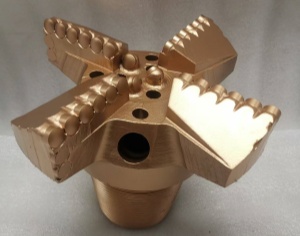
How to interpret PDC bit dull grading
Understanding PDC Bit Dull Grading
PDC bits, or Polycrystalline Diamond Compact bits, are crucial in the drilling industry. Their performance depends on several factors, including wear and dulling. How do we measure this? Let’s dive in.
What is Dull Grading?
Dull grading refers to the evaluation of a PDC bit’s condition after use. It determines whether the bit can still perform effectively or if it needs replacement. Grading is often done on a scale that categorizes bits from 'like new' to 'beyond repair.'
- Grade 1: New
- Grade 2: Slightly Worn
- Grade 3: Moderately Worn
- Grade 4: Severely Worn
- Grade 5: Unusable
Such grading systems help in estimating the remaining life of a bit, forecasting costs, and managing inventory. But is it really that simple? Not always.
Factors Influencing Dull Grading
Several parameters affect the dull grading of a PDC bit, including:
- The geological material being drilled
- Drilling parameters such as weight on bit (WOB) and rotary speed
- Cooling and lubrication methods used
- Time in the hole
For instance, consider a PDC drill bit from KBJZ used for oil exploration. If it operates in a hard rock formation with high WOB and inadequate cooling, it may progress to Grade 4 within a few hours. Conversely, drilling through softer formations may maintain the bit at Grade 2 for an extended period. Isn’t it fascinating how these variables interplay?
Real-World Example
Take a mining project in Western Australia. The team utilized a PDC drilling bit designed specifically for harsh environments. After 150 hours, the bit was assessed. It transitioned from Grade 1 to Grade 3. How? The team had employed high drilling speeds and encountered unexpected geological formations, leading to accelerated wear.
What to Look For
When grading a PDC bit, look for:
- Chipping or fracturing of the diamonds
- Wear on the cutting edges
- Loss of PDC layer adhesion
- Overall integrity of the bit structure
If you notice significant wear on the tungsten carbide sintered bit, it might be time to replace it. But how do you know when to stop pushing a bit? Precision is key.
Conclusion
Understanding the dull grading of PDC bits is not just a matter of looking at wear; it's about analyzing data and making informed decisions. Whether it’s for geological exploration or water well drilling, companies like KBJZ provide high-quality products designed for various applications, ensuring longevity and efficiency.
By carefully monitoring and interpreting dull grades, you can optimize your operations and reduce costs. So, the next time you assess a PDC drill bit, remember—each grade tells a story. What will yours say?