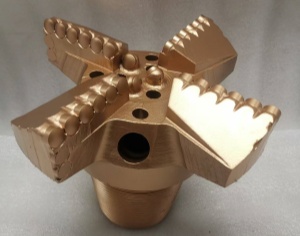
How often should PDC bits be replaced?
Understanding PDC Bits
PDC bits, or Polycrystalline Diamond Compact bits, have gained immense popularity in the drilling industry due to their unparalleled efficiency and durability. These bits are specially designed for various applications including geological exploration, oil and gas extraction, and mining. The unique construction of PDC bits, often featuring a tungsten carbide base, allows them to withstand high pressures and temperatures, ensuring consistent performance.
Factors Influencing Replacement Frequency
Determining how often to replace PDC bits is not straightforward; several factors come into play. Factors include:
- Rock Formation: The hardness and abrasiveness of the rock being drilled can significantly impact the lifespan of a PDC bit. Softer formations may require less frequent replacements.
- Drilling Conditions: High rotary speeds and weight on bit can lead to faster wear. Monitoring these parameters can provide insights into when a bit might need replacing.
- Bit Design: Different PDC bit designs can cater to specific drilling conditions. For example, a PDC coring bit may wear differently compared to a standard PDC drilling bit.
- Operational Efficiency: If you’re achieving optimal penetration rates, it might indicate that your bit is wearing evenly and could last longer.
Typical Lifespan of PDC Bits
Generally, the lifespan of PDC bits can range significantly based on the above factors. In typical conditions, a PDC bit can last anywhere from 50 to 200 meters of drilled depth. However, in less favorable conditions, you might find yourself replacing bits after just a few dozen meters. Interestingly, advancements in materials and technology at companies like KBJZ have led to the development of bits that maintain performance even in the toughest conditions.
Signs It’s Time to Replace Your PDC Bit
Knowing when to replace your PDC bit can save time and money. Here are a few indicators:
- Excessive Wear: If you notice significant wear on the cutting edges or a change in the bit's profile, it's time to consider a replacement.
- Drop in Penetration Rate: A sudden decrease in drilling efficiency often signals that the bit has reached the end of its useful life.
- Chipping or Spalling: Visible damage on the diamond surface can hinder performance and should prompt immediate replacement.
Cost-Effectiveness of Regular Replacement
While it may seem economically prudent to extend the life of a PDC bit, doing so can lead to higher costs in the long run. Not only does a worn bit reduce penetration rates, which increases drilling time, but it can also cause unnecessary strain on the drilling rig and other equipment. KBJZ emphasizes the importance of regular bit replacement as a strategy for maximizing operational efficiency and minimizing downtime.
Choosing the Right PDC Bit
When selecting a PDC bit, it's crucial to consider the specific conditions of your drilling project. There are various types, such as PDC core bits, water well bits, and mining bits, each designed for specific applications. Understanding the geology of your drilling site can aid in selecting the most effective bit, further extending the lifespan of your tools.
Customized Solutions from KBJZ
KBJZ not only provides standard sizes of PDC drill bits ranging from 24mm to 650mm but also offers customized solutions tailored to unique drilling needs. This flexibility can lead to longer-lasting tools and overall better performance. In many cases, custom bits designed for specific formations can outperform standard models, leading to cost savings and greater operational efficiency.
Conclusion
In summary, the frequency of PDC bit replacement is influenced by multiple factors including geological conditions, bit design, and operational practices. By understanding these elements and choosing the right tools—especially from reputable brands like KBJZ—drillers can ensure optimal performance and longevity of their drilling systems. Regular assessment and timely replacement not only enhance drilling efficiency but also contribute to the overall success of drilling operations.