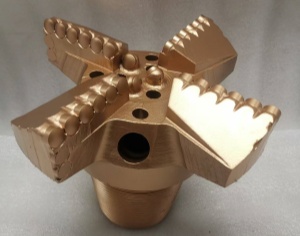
How many blades should a PDC bit have?
The Essential Question: How Many Blades Should a PDC Bit Have?
Four blades? Six? It’s not just a number. It’s a game changer.
PDC bits, or polycrystalline diamond compact bits, are not one-size-fits-all tools in the drilling industry. The right number of blades can make the difference between a successful drilling operation and a costly failure. When considering a PDC drill bit, particularly for geological exploration or oil and gas exploitation, the blade count is crucial.
Blades and Their Impact
When you think about a PDC drilling bit, what comes to mind? Strength, durability, efficiency? Yes, but let’s dig deeper. The number of blades on a PDC bit influences multiple factors:
- Stability: More blades often translate to better stability during drilling.
- Rate of Penetration (ROP): Fewer blades may lead to faster ROP, but at the cost of stability.
- Wear Resistance: More blades can distribute wear more evenly, prolonging the bit’s life.
Take, for instance, a scenario where a company is drilling in a hard rock formation. A PDC bit with eight blades might seem excessive, but it provides the stability needed to navigate the challenging conditions. On the other hand, a four-blade PDC core bit can achieve faster penetration rates in softer formations, though at a heightened risk of bit wobble.
Specific Use-Cases
Consider KBJZ’s offerings. They produce PDC bits ranging from 24mm to 650mm, catering to diverse needs. For a water well drilling operation in limestone, a six-blade PDC drilling bit might be ideal. Its design allows for optimal chip removal while maintaining structural integrity. However, if the same operation were to transition into a granite formation, opting for a mining bit with eight blades could yield better results in terms of durability and efficiency.
Isn’t it fascinating how the right choice can lead to such significant differences in outcomes? The ability to adapt the blade count based on the drilling environment is key.
The Blade Count Debate
Is there a consensus on the optimal number of blades? Hardly. Experts often have differing opinions. Those advocating for fewer blades suggest greater efficiency; however, they may ignore the importance of stability and wear resistance. Conversely, proponents of higher blade counts argue for better durability and smoother operations.
- Fewer Blades (4-6): Generally faster penetration, less wear.
- More Blades (6-8): Enhanced stability, better chip removal.
It boils down to the specific conditions you face. A PDC bit designed for oil exploration often differs from one aimed at geological exploration. For instance, a tungsten carbide sintered bit may feature a different blade configuration to adapt to specific geological conditions.
Customization Matters
Customization is not just an option; it’s a necessity. KBJZ offers non-standard sizes, allowing for tailored solutions in various geological settings. A drilling operation in a volcanic region might require a specialized PDC coring bit with a unique blade setup to handle abrasive materials.
The versatility of drill bits can significantly influence efficiency and cost-effectiveness. Companies must assess their drilling environment thoroughly to optimize their equipment.
Conclusion
The question of how many blades a PDC bit should have doesn’t have a one-size-fits-all answer. The nuances of each drilling operation, from geological formations to the desired rate of penetration, dictate the optimal blade configuration. Choosing the right PDC drill bit is not just about selecting a product; it’s about understanding the complexities of each project and making informed decisions.
So, next time you’re faced with this choice, think: Are you really equipped to make the right call?