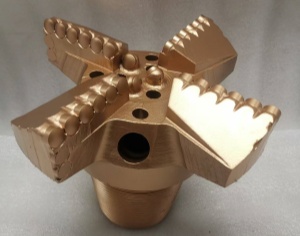
horizontal well stabilizer、wellbore trajectory control tool
Overview of Horizontal Well Stabilizers
Horizontal well stabilizers play a crucial role in the drilling industry, particularly in enhancing the efficiency and accuracy of drilling operations. By maintaining a stable wellbore, these tools facilitate the effective placement of well trajectories, which is essential for maximizing production from hydrocarbon reservoirs.
Functionality of Horizontal Well Stabilizers
The primary function of a horizontal well stabilizer is to minimize wellbore instability during drilling. This is achieved through various mechanisms:
- Mechanical Support: The stabilizer provides support to the wellbore, preventing collapse or deformation.
- Fluid Dynamics: It helps to streamline the flow of drilling mud, ensuring efficient removal of cuttings.
- Trajectory Control: By exerting lateral forces, it assists in maintaining the desired trajectory of the well.
Types of Horizontal Well Stabilizers
There are several types of horizontal well stabilizers, each designed for specific drilling conditions:
- Blade Stabilizers: Equipped with blades that provide both stabilization and directional control.
- Collar Stabilizers: Used in conjunction with drill collars to enhance stability during horizontal drilling.
- Roller Stabilizers: Incorporate rollers that reduce friction and allow for smoother passage through the wellbore.
Wellbore Trajectory Control Tools
Wellbore trajectory control tools are indispensable in the modern drilling landscape, allowing operators to achieve precise directional drilling. These tools employ various technologies and strategies:
- Measurement While Drilling (MWD): Provides real-time data on the well’s location, allowing adjustments to be made instantly.
- Directional Drilling Systems: Utilize advanced algorithms and hydraulic systems to steer the drill bit accurately.
- Gyroscopic Tools: Offer enhanced accuracy in measuring wellbore angles and inclinations.
Integration of Horizontal Well Stabilizers and Trajectory Control Tools
The integration of horizontal well stabilizers with trajectory control tools creates a synergetic effect that improves overall drilling performance. For instance, by utilizing a stabilizer in tandem with MWD technology, operators can better understand the dynamics of the wellbore, adjusting the trajectory as needed to avoid potential hazards.
Benefits of Integrated Systems
When these systems are integrated, several benefits can be realized:
- Enhanced Precision: The combination allows for real-time adjustments, leading to increased accuracy in well placement.
- Cost Efficiency: Reduced drilling time and material waste contribute to overall cost savings.
- Increased Safety: Better trajectory control decreases the likelihood of encountering dangerous formations or equipment failure.
Challenges in Implementation
Despite the advantages, the implementation of horizontal well stabilizers and trajectory control tools is not without challenges. Factors such as geological variability, equipment compatibility, and operational expertise can affect the effectiveness of these tools. Moreover, as horizontal wells become increasingly complex, the demand for advanced solutions continues to grow, pushing the boundaries of current technology.
Future Trends
The future of horizontal well stabilizers and trajectory control tools is set to be influenced by ongoing technological advancements. Innovations in materials science and data analytics are poised to enhance the performance of these tools even further. For example, KBJZ is at the forefront of developing smart stabilizers that can autonomously adjust to changing well conditions, thereby optimizing drilling operations in real-time.
Conclusion
In summary, horizontal well stabilizers and wellbore trajectory control tools are essential components of modern drilling operations. Their ability to ensure stability and precision not only enhances the efficiency of drilling projects but also contributes significantly to the overall safety and cost-effectiveness of hydrocarbon extraction.