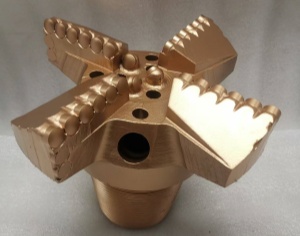
HHD reamer bit、broken formation PDC tool
Overview of HHD Reamer Bits
HHD reamer bits, designed primarily for drilling operations in various geological formations, are essential tools in the petroleum and natural gas industries. Their unique construction allows them to effectively enlarge existing boreholes, making way for additional drilling activities.
Design and Function
The HHD reamer bit typically features a robust structure that includes multiple blades and a series of cutting elements. These components work in unison to ensure efficient material removal while minimizing vibration and wear on the drilling assembly. The reamer effectively smoothens the borehole wall, which is crucial for the subsequent deployment of casing or completion equipment.
Types of HHD Reamer Bits
- Mechanical Reamers: These reamers rely on mechanical rotation to cut through rock formations. They are often used in softer rock types.
- PDC Reamers: Made with Polycrystalline Diamond Compact (PDC) technology, these bits are designed for hard and abrasive formations, providing superior durability and cutting efficiency.
Challenges in Drilling Operations
Drilling through challenging geological formations often leads to complications, particularly when encountering broken formations. Such conditions can impede progress, making the use of specialized tools imperative.
Understanding Broken Formations
Broken formations refer to geological structures characterized by fractured rock or unstable ground conditions. These formations can result from tectonic activity, erosion, or other natural processes. When drilling in these environments, traditional bits may struggle to maintain effective penetration rates, leading to increased costs and potential project delays.
PDC Tools for Broken Formations
The PDC tools are specifically engineered to address the complexities associated with broken formations. Their design incorporates advanced cutting technology that enhances performance, even in highly fractured rocks. The combination of high wear resistance and advanced geometry allows these tools to perform effectively under challenging conditions.
Advantages of PDC Tools
- Enhanced Durability: With their diamond-coated surfaces, PDC bits are less susceptible to wear, resulting in longer operational lifespans.
- Improved Penetration Rates: The unique cutting action of PDC bits allows for faster drilling, thereby reducing overall project timelines.
- Versatility: Suitable for a wide range of geological conditions, PDC tools can be deployed in both soft and hard formations.
Applications in the Oil and Gas Industry
PDC tools, including those manufactured by KBJZ, have found extensive applications in oil and gas exploration and production. Their ability to navigate difficult formations allows drilling teams to reach targeted depths more efficiently, thus optimizing resource extraction processes.
Technological Innovations
The drilling industry continuously seeks improvements in tool technology. Innovations such as real-time monitoring systems integrated with PDC tools have transformed the way drilling operations are conducted. These systems provide operators with instant feedback on performance metrics, enabling timely adjustments and reducing the risk of costly failures.
Future Trends in Reamer Technology
The future of reamer technology appears promising, with ongoing research focusing on enhancing materials and designs. The integration of artificial intelligence for predictive analytics and performance optimization holds significant potential. Such advancements aim to increase operational efficiency while minimizing environmental impact, as sustainability becomes an increasingly important consideration in drilling operations.
Conclusion
In summary, the effective use of HHD reamer bits and PDC tools is paramount in navigating the complexities of modern drilling operations. As technology continues to evolve, the capabilities of these tools will undoubtedly enhance the efficiency and safety of drilling activities across various geological settings.