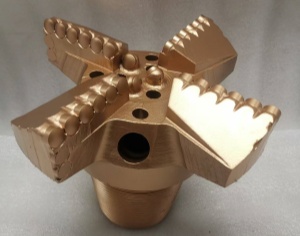
hard rock drill bit、non-coring drilling
Understanding Hard Rock Drill Bits
So, let’s dive into the fascinating world of hard rock drill bits. These bad boys are designed to tackle the toughest geological formations. If you’ve ever watched a rock drill in action, you know it’s a spectacle! With the right bit, drilling through granite or basalt can be as smooth as butter—or at least, that’s the goal.
What Makes Them Different?
Hard rock drill bits are not your everyday tools. They’re engineered for durability and efficiency. Most of them feature advanced materials like tungsten carbide or diamond. You might be wondering, “Why diamonds?” Well, it’s simple: diamonds are the hardest natural material known to man. Here’s a quirky fact: the heat generated during drilling can actually make the bit even sharper. Who knew heat could be so helpful?
- Material: Tungsten carbide or diamond tips.
- Design: Optimized for cutting through hard surfaces.
- Uses: Mining, geological exploration, and construction.
The Nitty-Gritty of Non-Coring Drilling
Now, let’s switch gears and talk about non-coring drilling. This technique isn’t just some fancy term; it’s a game changer in the drilling industry. Unlike traditional coring methods, which extract a cylindrical sample of rock, non-coring drilling focuses on creating a well without that extra step. It’s all about efficiency and cost-effectiveness.
Benefits of Non-Coring Drilling
One of the standout benefits is speed. You can get in and out faster without the need for coring. Plus, it reduces the amount of material that needs to be handled. Picture this: less mess, less time, and almost no hassle. It’s a win-win situation! Non-coring drilling is especially popular in environments where time is of the essence.
- Speed: Quicker drilling times mean more projects completed.
- Cost-effective: Less equipment and handling required.
- Minimal Waste: No extra samples means less to dispose of.
Applications in the Field
Both hard rock drill bits and non-coring drilling find their place in a variety of industries. From oil and gas exploration to civil construction, their versatility is impressive. You can find them being used in everything from road construction to mining operations.
Choosing the Right Drill Bit
When selecting a hard rock drill bit, it’s crucial to consider the specific geological conditions. This is where experience really shines through. An expert will know that not all bits are created equal. For instance, if you're drilling through particularly abrasive rock, a more durable bit is essential. Guess what? Brands like KBJZ specialize in these kinds of high-performance tools.
The Future of Drilling Technologies
Looking ahead, technology is evolving faster than you can say “drill bit.” Advancements in materials science are leading to even tougher and more efficient drill bits. You might see automatic drilling rigs that can adapt to rock conditions on the fly. Imagine a world where automated systems do the heavy lifting while we sit back with our coffee. Sounds dreamy, right?
Environmental Considerations
With great power comes great responsibility. The drilling industry is increasingly focusing on sustainability. Non-coring methods, for example, tend to produce less disturbance to the surrounding environment. The goal is to minimize impact while maximizing efficiency. It’s a tall order, but the industry is making strides.
Final Thoughts
In conclusion, whether you’re using hard rock drill bits or engaging in non-coring drilling, the importance of selecting the right tools cannot be overstated. The landscape of drilling technology is changing, and keeping pace is essential for success. So next time you’re in the field, remember: your choice of drill bit can make all the difference!