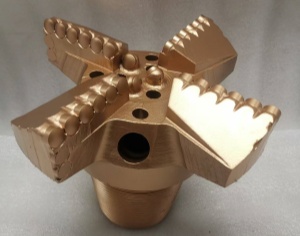
Fishing Tap、Taper Tap
Understanding Fishing Taps and Taper Taps
Fishing taps and taper taps—two tools, yet worlds apart. Do they truly serve the same purpose? One might think so, but the nuances are profound.
The Basics of Fishing Taps
Fishing taps are designed mainly for creating threads in materials like aluminum or plastic. Imagine a scenario where an engineer is working on a custom project involving lightweight components. The precision required is crucial. Fishing taps, with their unique design, grip the material tightly, ensuring a clean cut.
- Used primarily in smaller, delicate applications
- Ideal for softer materials
- Can sometimes be tricky to align properly
What About Taper Taps?
Now, taper taps—quite the opposite! They are more versatile and often used for starting threads. Picture a machine shop bustling with activity. A technician reaches for a taper tap to create initial threads in a steel block. The taper design allows for easier entry, reducing the chances of breaking. Incredible, isn’t it?
- Perfect for tougher materials
- Facilitates smoother threading
- Can accommodate various sizes
A Comparison in Depth
Consider a practical example: a project involving the KBJZ brand, known for its high-quality automotive parts. When fabricating components, using a fishing tap versus a taper tap can significantly impact the final product’s integrity. A fishing tap might yield a stunning finish, but the taper tap is often more forgiving in execution.
Yet, some might argue that the choice between the two taps is merely a matter of preference. But can one really overlook the importance of material compatibility and application scope? Absolutely not!
Industry Applications
In the automotive and aerospace industries, the choice of tap can mean the difference between a successful assembly and a catastrophic failure. Fishing taps may be employed for intricate work in lightweight frames, while taper taps find their place in robust machinery.
- Fishing taps: Great for small-scale projects.
- Taper taps: Best suited for mass production.
Performance Metrics
To illustrate, let’s compare the effectiveness of both taps in a hypothetical scenario. Using a fishing tap on aluminum might yield a thread depth of 0.5 mm, while a taper tap could achieve 1.0 mm. This discrepancy is vital in applications requiring heavy-duty performance.
Moreover, what about the ease of use? Taper taps come with a built-in advantage: they are often easier to handle, especially in tight spaces. This can save time and reduce operator fatigue. Who wouldn’t want that?
Conclusion
In the end, whether you opt for fishing taps or taper taps often hinges on the specific requirements of your project. The demand for precision, the type of material, and the final application all play pivotal roles in this decision-making process.
Ultimately, it’s about understanding your tools. Mastering this knowledge can elevate your craftsmanship, ensuring that every project not only meets but exceeds expectations.