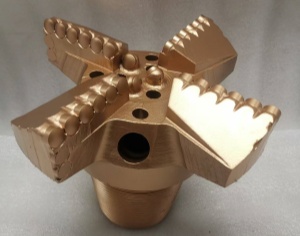
Fishing Tap for Geological Drilling
Understanding Fishing Taps in Geological Drilling
Fishing taps. A simple term, yet it encompasses a complex world in geological drilling. Have you ever wondered how to retrieve lost tools from deep within the Earth's crust? A fishing tap is the answer. It serves as a lifeline in a drilling operation, acting swiftly to recover equipment that could otherwise lead to costly delays or failures.
What is a Fishing Tap?
A fishing tap is specifically designed to retrieve objects that have become lodged in the borehole. Imagine a scenario: a drill bit breaks off at a depth of 3,500 feet. The clock is ticking. In such situations, a fishing tap is deployed. It connects to the remaining drill string, allowing for a secure grip on the lost object.
Key Features of Fishing Taps
- Material Composition: Fishing taps are often made from high-strength steel to withstand the rigors of geological drilling.
- Thread Sizes: They come in various thread sizes to accommodate different drilling equipment, ensuring versatility.
- Mechanism: Many use a slip mechanism that engages upon retrieval, securing the lost object effectively.
It’s fascinating, isn't it? The engineering behind these tools reflects the challenges drillers face daily. A common myth is that once a tool is lost, it's gone forever. But with the right fishing tap, recovery is not just possible; it's often routine.
Real-World Applications
Consider the case of a major oil company operating in the North Sea. They faced a critical situation when a drill collar became stuck during a routine operation. After several failed attempts to recover it, the team decided to employ a specialized fishing tap from KBJZ, renowned for its innovative designs.
The operation was carefully executed. The fishing tap was attached to the drill string, and after several tense moments, they successfully retrieved the collar. The operation resumed within hours rather than the projected weeks, saving the company substantial costs and time.
Types of Fishing Taps
- Standard Fishing Taps: Used for general retrieval purposes.
- Retrieving Taps: Specifically designed for broken tools.
- Magnetic Taps: These utilize magnets for smaller, ferrous objects.
Isn't it remarkable how specific tool designs can make or break an operation? Each type of fishing tap has unique characteristics tailored to specific challenges. For example, magnetic taps can be a lifesaver in situations where precision is necessary, while standard taps can handle robust recoveries.
Challenges in Fishing Operations
Despite the effectiveness of fishing taps, challenges abound. Weather conditions, geological formations, and equipment compatibility can complicate retrieval efforts. A case study in Australia showed that when attempting to recover a lost drilling bit in rocky terrain, the fishing tap became stuck itself. The drill team had to pivot, employing a more advanced model with a better grip mechanism.
Future Innovations
As technology advances, so does the potential for new fishing tap designs. Emerging materials, like composite alloys, promise to enhance durability while reducing weight. Imagine a fishing tap that not only retrieves but also provides data on the surrounding geological conditions! The future seems bright.
In conclusion, fishing taps are more than just tools; they are essential components of successful geological drilling operations. The right fishing tap can mean the difference between a minor hiccup and a major operational setback. And with brands like KBJZ leading the charge in innovation, the landscape of drilling is set to evolve dramatically.