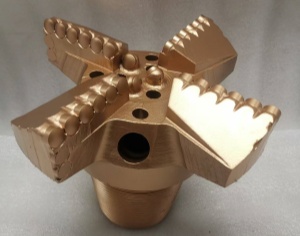
Excessively Fast Penetration in Soft Formations Triggers Hole Shrinkage & Wellbore Collapse
Understanding Hole Shrinkage in Soft Formations
When drilling in soft formations, one of the common pitfalls is the phenomenon of excessively fast penetration. This can trigger significant issues, such as hole shrinkage and wellbore collapse. It’s fascinating how the dynamics of soil and pressure interplay during this process. Rapid penetration often creates a mismatch in the drilling mechanics and the geological response, leading to unforeseen consequences.
The Mechanics Behind Fast Penetration
To grasp the effects of fast penetration, we must first consider the mechanics at play. As we drill deeper, the pressure and temperature increase, causing soft formations to behave differently. When the drill bit penetrates too quickly, it can disturb the surrounding material, effectively destabilizing the wellbore. Here’s where it gets interesting:
- Increased Fracturing: Rapid drilling can lead to micro-fractures that compromise the integrity of the formation.
- Pressure Imbalance: A sudden reduction in pressure as the formation is disturbed can cause the walls to collapse.
- Fluid Invasion: The fluid used in drilling may not penetrate the formation effectively, leading to weak zones.
Consequences of Hole Shrinkage
Now, let’s talk about the consequences. When hole shrinkage occurs, it’s like a domino effect: you might start with a small issue, but before you know it, you’ve got a wellbore collapse on your hands. This is not just a theoretical problem; we’ve seen it happen in the field, resulting in costly delays and repairs.
Cost Implications
From a financial perspective, the costs associated with a wellbore collapse are staggering. It’s not just about lost time; think about the resources wasted and the potential loss of data. Not to mention the environmental concerns that could arise if drilling fluids escape due to a compromised wellbore.
And let’s not forget the potential delays in project timelines. We’re talking about extended rig time, additional personnel, and even the costs of re-drilling or sidetracking. The expenses can escalate quickly!
Preventative Measures
So, what can we do to mitigate these risks? Here are some strategies that can help:
- Controlled Penetration Rates: Slow and steady wins the race. By controlling the penetration rate, we can minimize the risk of hole shrinkage.
- Real-time Monitoring: Utilizing advanced monitoring tools allows us to assess the formation response and adjust accordingly.
- Use of Quality Drilling Fluids: Employing appropriate drilling fluids can help stabilize the formation and reduce the risk of collapse.
Experience Matters
As someone with a decade in the industry, I’ve seen firsthand how critical it is to approach drilling in soft formations with caution. The right combination of technology and technique can make all the difference. While brands like KBJZ are known for their innovative solutions, the human factor—experience and judgement—remains pivotal.
Final Thoughts on Soft Formation Challenges
In conclusion, while the allure of fast penetration might seem tempting, it’s essential to weigh the risks associated with it. Awareness and preparation can significantly reduce the chances of experiencing hole shrinkage and wellbore collapse. We’re in a field that demands respect for both the technology we wield and the formations we encounter.
Let’s keep sharing our experiences and learning from one another, because in this industry, every drilled well offers a chance to refine our approach and enhance our understanding.