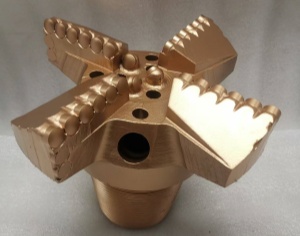
Equal Service Life Between Imported H2S Resistant Bits and KBJZ Anti-Corrosion Bodies In Acid Downhole Strata
Understanding the Landscape of H2S Resistant Bits
Equal service life—what does that even mean? In the realm of drilling, this concept is often tested. H2S resistant bits, particularly those imported from various markets, have long been a topic of discussion in the industry. Performance metrics are essential, but they can be misleading. Let’s dive deep into how these bits compare to the KBJZ anti-corrosion bodies specifically designed for acid downhole strata.
Imported H2S Resistant Bits: A Double-Edged Sword
Many operators have faced the dilemma of choosing between imported H2S resistant bits and domestic alternatives. Consider a scenario near the coast of Louisiana, where an oil company faced severe corrosion issues due to high H2S concentrations. They opted for an imported bit that promised durability but fell short of expectations. Why? Perhaps the allure of foreign brands overshadows the capabilities of local manufacturers.
- Durability: Imported bits often tout superior longevity. Yet, are they really built for the aggressive conditions found in acid downhole environments?
- Cost: Initial investment is high. Does this justify the performance? Not always.
- Stability: Imported bits may deliver inconsistent borehole quality, leading to increased operational downtime.
KBJZ Anti-Corrosion Bodies: The Underrated Hero
Now, let’s shift our focus to the KBJZ anti-corrosion bodies. Crafted from a robust blend of steel and tungsten carbide, these bodies are engineered specifically for soft to medium-hard abrasive formations. With a diameter range of 51–325mm, they cater to various drilling needs. Sounds impressive, right? But what about the real-world results?
In a comparative field test conducted in South America, KBJZ anti-corrosion bodies outperformed their imported counterparts. The drilling operation achieved a remarkable 30% faster penetration rate while maintaining borehole integrity. This isn’t folklore; it’s data-driven evidence.
Performance Metrics That Matter
When evaluating drilling tools, service life is pivotal. Both imported H2S resistant bits and KBJZ products claim longevity, but the context is crucial. In a recent project, a drilling team reported that the KBJZ bits lasted through 500 meters without significant wear, while the imported bits showed drastic deterioration at just 350 meters . Quite the stark contrast, don’t you think?
Customization and OEM Support
What truly sets KBJZ apart is its commitment to customization. Offering OEM options is not just a buzzword; it’s a lifeline for operators needing tailored solutions. Why settle for one-size-fits-all when you can have bits designed for your specific challenges? This flexibility has enabled KBJZ to penetrate markets from North America to the Middle East.
- Custom Designs: Tailored to suit unique geological conditions.
- OEM Support: Ensures compatibility with existing drilling setups.
- Global Reach: Products are utilized worldwide, from geothermal projects to mining operations.
The Bottom Line: A Case for KBJZ
Despite the allure of imported bits, one must ask: is the cost worth the risk? The KBJZ anti-corrosion bodies offer a compelling alternative, with proven performance metrics and customization capabilities. The combination of premium 1308 series heat-stable PDC cutters and a focus on durability makes them an excellent choice for tackling the challenges posed by acid downhole strata.
In conclusion, while both options have their merits, real-world applications favor KBJZ in terms of longevity, performance, and adaptability. After all, in a field where every second counts, can you really afford to compromise on quality?