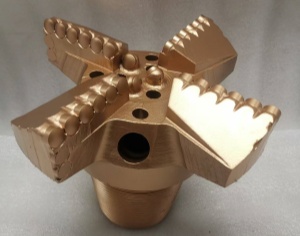
Drilling Fishing Tool、Downhole Fishing Tool
Overview of Drilling Fishing Tools
Drilling fishing tools play a vital role in the oil and gas industry. When unexpected events occur during drilling operations, such as the loss of a drill bit or other equipment, these specialized tools are employed to retrieve those lost items from the wellbore.
Types of Downhole Fishing Tools
The array of downhole fishing tools is extensive, each designed for specific situations and types of fishing. Here are some common types:
- Overshot Tools: Used primarily for retrieving objects from the wellbore, overshot tools encapsulate the lost item before it is pulled up.
- Magnetic Tools: Often deployed to retrieve ferrous objects, these tools use powerful magnets to latch onto and extract lost equipment.
- Junk Baskets: These are designed to collect small debris or junk that may have fallen into the wellbore, ensuring that the drilling operation can continue smoothly.
- Pipe Recovery Tools: Specifically engineered to retrieve sections of pipe or tubing, these tools are essential when dealing with stuck or broken pipes.
Working Principles
The effectiveness of drilling fishing tools relies on their design and the principles of mechanical advantage. By utilizing specific configurations, such as hooks or magnets, these tools can exert substantial force to retrieve lost items. For instance, when using an overshot tool, the operator lowers the tool down the wellbore, ensuring it engages with the lost object. Once secured, the operator pulls the tool back up, bringing the object with it.
Fishing Operations
Executing a fishing operation involves meticulous planning and execution. The process typically includes:
- Assessment: Before commencing, it is crucial to assess the well conditions, including the depth and nature of the lost item.
- Choice of Tool: Based on the assessment, the appropriate fishing tool is selected. Variations in tool design can significantly affect the outcome of the operation.
- Execution: The operator deploys the selected tool, carefully monitoring its engagement with the lost item.
- Recovery: After securing the item, the operator carefully lifts it to the surface, ensuring no further equipment is lost.
Challenges in Downhole Fishing
Despite the advancements in fishing tool technology, challenges remain frequent in downhole fishing operations. Some of these challenges include:
- Depth and Pressure: The deeper the well, the higher the pressure, which can complicate retrieval efforts and increase the risk of tool failure.
- Wellbore Conditions: If the wellbore is unstable or filled with debris, the effectiveness of fishing tools may be compromised.
- Incorrect Tool Selection: Using an inappropriate tool for the specific situation can lead to further complications and may necessitate additional fishing attempts.
Technological Innovations
Recent advancements have introduced innovative features in drilling fishing tools, enhancing their efficiency and reliability. For instance, the integration of telemetry systems allows real-time data transmission, enabling operators to monitor conditions downhole more effectively. Furthermore, brands like KBJZ have introduced advanced materials that enhance the durability and performance of fishing tools, minimizing the likelihood of failure during critical operations.
Conclusion
The landscape of drilling fishing tools continues to evolve, driven by the need for efficiency and effectiveness in wellbore operations. As technology progresses, the oil and gas industry can expect more reliable and innovative solutions for downhole fishing challenges.