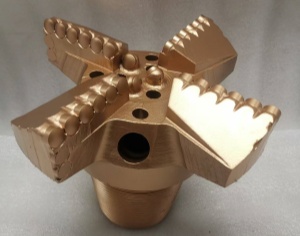
Don’t Be Misled by Torque Parameters: Rig Torque Matching Is the Core Selection Factor
Torque Parameters: A Misleading Metric?
Torque parameters often steal the spotlight. Everyone talks about them. But should they? Are they really the core of our decision-making? Or is there something deeper? Let’s dive into the nuances.
The Real Deal: Rig Torque Matching
Consider a scenario. A drilling operation in the North Sea. Two rigs, both boasting impressive torque ratings. One is the KBJZ Titan 3000, and the other, the Ocean Master 400. Sounds cutting-edge, right? But here’s the catch: when examining their performance, torque alone doesn't tell the whole story.
- Rig A: KBJZ Titan 3000
- Rig B: Ocean Master 400
Both rigs were designed for high performance. However, the Titan 3000’s torque may be slightly higher, yet its efficiency in real-time conditions is underwhelming. Why? Because torque matching—the alignment between the rig's capabilities and the drilling requirements—was ignored.
Why Torque Matching Matters
It’s simple. Torque parameters can mislead. Let’s say one rig can deliver a maximum torque of 5000 Nm, but if it’s paired with a drill bit that only requires 3000 Nm to perform efficiently, it’s like driving a Ferrari in a school zone. Waste, inefficiency, and potential for damage. The Ocean Master, with lower torque, could actually outperform in this context if designed with superior torque matching.
A Closer Look: How It Affects Performance
Now, let’s tackle efficiency. Efficiency in drilling isn’t just about raw power. It’s about how power is deployed. The KBJZ Titan 3000 can churn out a maximum torque of 6000 Nm, but its actual performance may dwindle under mismatched conditions. Conversely, the Ocean Master 400, with a peak torque of 4500 Nm, might just reign supreme thanks to its optimized matching with the bit design.
- Torque: 6000 Nm (Titan 3000)
- Torque: 4500 Nm (Ocean Master 400)
Isn't that ironic? More torque, yet lesser performance. It's like choosing a heavyweight champion boxer to compete against a seasoned strategist in a chess match. The former may be strong but lacks the finesse required.
Case Study: Real-World Example
Take the case of a shale gas project in Texas. Drilling teams often chose rigs based on torque specifications. However, when they began implementing torque matching criteria, performance improved significantly. One particular drilling team switched from the Titan 3000 to a rig with lower torque but better matching parameters. The result? A 25% reduction in drilling time. Shocking, isn’t it?
The Bottom Line: Drill Smart, Not Hard
In summary, torque parameters alone can be deceiving. Rig torque matching holds the key to optimizing performance. Brands like KBJZ are making strides in this area, but it’s essential to understand the holistic picture. Don't let torque numbers fool you into complacency. Always prioritize matching for better, more efficient drilling operations.
Final Thoughts
So, the next time you’re evaluating rigs based on torque parameters, ask yourself this: Are you really looking at the bigger picture? Or are you just getting caught in the torque trap? Sometimes, less is more—especially when it comes to efficiency in drilling.