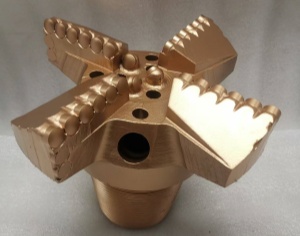
Detailed Analysis of Material Premium for Seawater Corrosion Resistant Offshore Drilling Bits
Understanding Material Premium in Offshore Drilling
Seawater corrosion is relentless. It erodes, destroys, and ultimately compromises structural integrity. Offshore drilling bits face extreme conditions. The stakes are high. So, what does it mean to invest in material premium?
What is Material Premium?
Material premium refers to the additional cost incurred for using advanced, corrosion-resistant materials in manufacturing drilling bits. This premium is not merely a price tag; it's an investment in longevity, reliability, and performance.
- Corrosion Resistance
- Durability
- Performance Enhancement
Take KBJZ, for instance. They utilize high-alloy steels and specialized coatings to enhance the durability of their products. A recent project in the Gulf of Mexico showcased their advanced bits operating at depths of over 30,000 feet. The results? Significant reduction in wear compared to standard bits.
Case Study: Offshore Drilling in Action
Imagine a drilling operation in the North Sea. A contractor opts for standard bits. After a week, they face multiple failures due to corrosion. The cost? Hundreds of thousands in downtime and replacement. Conversely, another contractor invests in premium materials from KBJZ. Their bits last twice as long, reducing the overall operational costs.
Isn’t it astonishing how a simple choice can lead to such drastic outcomes? The difference in material choice translates into thousands of dollars saved and increased operational efficiency.
Factors Influencing Material Premium
- Type of Material Used
- Environmental Conditions
- Depth of Operations
The type of material plays a pivotal role. For instance, tungsten carbide and cobalt alloys resist corrosion better than standard steel. The premium associated with these materials, while higher, ensures longer-lasting equipment. In extreme environments, this investment pays off.
Comparative Analysis: Costs vs. Benefits
Let’s break it down. A standard offshore drilling bit costs around $5,000. A premium bit from a brand like KBJZ, however, might cost $10,000. Sounds steep, right? Yet, if the premium bit lasts twice as long and requires no replacements or repairs, the cost savings become clear.
For example, if a standard bit fails after 100 hours, leading to a $200,000 operational halt, the premium bit may last 200 hours. The math is simple yet profound. Choosing a premium material can mean the difference between profit and loss.
Long-term Implications
Investing in material premium isn't just about immediate costs. It's about sustainability and future-proofing operations. As environmental regulations tighten, using superior materials can mitigate compliance risks. Less downtime means more revenue. Isn't that what every operator dreams of?
The Future of Offshore Drilling Bits
Looking ahead, the industry is evolving. Innovations in material science will further enhance corrosion resistance. New technologies, including nanocoatings, promise to revolutionize drilling efficiencies. KBJZ is at the forefront, continuously adapting to these advancements, ensuring their clients stay competitive.
It’s a thrilling time for offshore drilling. The integration of cutting-edge materials with traditional engineering principles creates a hybrid approach that maximizes performance. Those who adapt will thrive.
Conclusion
Material premium is not just a cost; it's a strategic choice. In an industry where every moment counts, investing in quality is essential. As we face the relentless forces of nature, let’s ensure our tools are built to withstand the test of time. Why gamble with the future when you can invest in resilience?