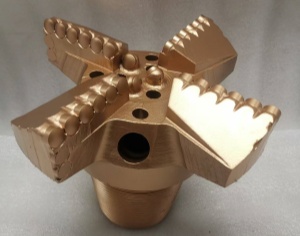
Cemented Carbide Anchor Bit、PDC Cutting Teeth Drill Bit
Cemented Carbide Anchor Bits: An Overview
Cemented carbide anchor bits are crucial tools in the drilling industry. Their unique composition offers superior hardness and wear resistance, making them ideal for various drilling applications. The ability to withstand high temperatures and pressures further enhances their performance in tough geological formations.
Key Features of Cemented Carbide Anchor Bits
The standout characteristics of cemented carbide anchor bits include:
- Durability: Made from a blend of tungsten carbide and cobalt, these bits can endure significant wear and tear.
- Heat Resistance: They maintain structural integrity under extreme heat, which is often generated during drilling.
- Precision: These bits provide accurate drilling, essential for applications requiring precision.
Applications of Cemented Carbide Anchor Bits
Commonly used in oil and gas exploration, construction, and mining, cemented carbide anchor bits are versatile. They excel in:
- Drilling through hard rock formations
- Anchoring in various substrates
- Creating boreholes for underground utilities
PDC Cutting Teeth Drill Bits: The Next Level
PDC (Polycrystalline Diamond Compact) cutting teeth drill bits represent a significant advancement in drilling technology. With diamond blades, these bits are known for their incredible cutting efficiency and longevity.
Advantages of PDC Cutting Teeth Drill Bits
PDC bits offer several advantages that set them apart:
- High Rate of Penetration (ROP): Their design allows for faster drilling, which can reduce operational costs significantly.
- Extended Life Span: PDC bits typically outlast traditional bits, minimizing the need for frequent replacements.
- Versatility: Suitable for a wide range of formations, from soft to hard rock, making them adaptable to various drilling conditions.
Best Practices for Using PDC Cutting Teeth Drill Bits
To maximize the performance of PDC bits, consider the following best practices:
- Maintain appropriate weight on bit (WOB) to optimize cutting efficiency.
- Monitor rotary speed to avoid overheating and damaging the bit.
- Regularly assess the bit's condition to anticipate maintenance needs.
Choosing the Right Bit for Your Needs
When faced with the choice between cemented carbide anchor bits and PDC cutting teeth drill bits, understanding your specific requirements is essential. Factors like rock type, drilling depth, and operational budget play a significant role in this decision.
Comparison of Performance
Both bit types have their strengths. Cemented carbide bits are often preferred for extremely hard formations that demand durability, while PDC bits excel in settings where speed and efficiency are paramount. For instance, in soft to medium formations, PDC bits could be the go-to option, while cemented carbide might be necessary for more challenging environments.
Conclusion
In summary, both cemented carbide anchor bits and PDC cutting teeth drill bits have their places in the drilling industry. Depending on the specific requirements of a project, one may prove to be more effective than the other. As an industry professional, I have seen firsthand how the right tools can make a significant difference on site. Make sure to choose wisely, as investing in quality bits like those from KBJZ can enhance your operational efficiency and success in the field.