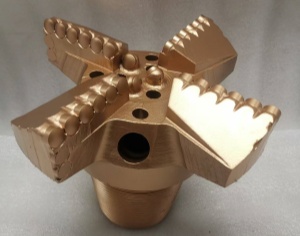
91mm core drill bit、sandstone drill bit
Understanding 91mm Core Drill Bits and Sandstone Drill Bits
When it comes to drilling in tough materials, having the right bit is crucial. In the realm of construction and geological exploration, two types of drill bits stand out: the 91mm core drill bit and the sandstone drill bit. Each serves distinct purposes and excels in different applications.
What is a 91mm Core Drill Bit?
A 91mm core drill bit is specifically designed for extracting cylindrical samples, or "cores," from various materials. This bit's diameter of 91mm allows for deeper penetration and more substantial samples, making it ideal for geological surveys and material testing.
- Material Composition: These bits are often made from high-speed steel or tungsten carbide. The choice of material significantly impacts durability and performance.
- Applications: Used primarily in exploration drilling, they can also be utilized in construction projects that require sub-surface data.
- Performance Factors: Factors like rotation speed, pressure, and cooling mechanisms can affect the efficiency of the drilling process.
Features of the 91mm Core Drill Bit
One of the standout features of a 91mm core drill bit is its ability to mitigate heat generation during drilling. This is especially important since excessive heat can damage both the bit and the material being drilled. Additionally, these bits often come equipped with water-cooling channels that enhance longevity and performance.
Sandstone Drill Bits: A Specialized Solution
On the other hand, sandstone drill bits are tailored for specific types of rock formations. Sandstone, being a softer sedimentary rock, requires a different approach in drilling. These bits typically feature a broader cutting surface and specialized tips to effectively penetrate the material.
- Design: Many sandstone drill bits have a jagged edge or are fitted with diamond segments to improve cutting efficiency.
- Versatility: While primarily used for sandstone, these bits can also work well in other soft rock formations.
- Wear Resistance: The materials used in these bits are designed to resist wearing, allowing them to maintain performance over time.
Choosing the Right Bit for Your Project
Deciding between a 91mm core drill bit and a sandstone drill bit depends greatly on the specific requirements of your project. If you're looking for core samples for analysis, the 91mm option is likely the better choice. However, if your task involves drilling through softer rock types, a sandstone drill bit is the way to go.
Factors to Consider
Beyond the type of bit, there are several factors you should consider:
- Drilling Depth: How deep do you need to drill? This will influence your choice of bit and the equipment you'll need.
- Drilling Environment: Is the area dry or wet? The presence of water can alter the cooling requirements and, subsequently, the type of bit that will be effective.
- Budget Constraints: Quality bits can vary significantly in price. Understanding the balance between cost and performance is essential.
Advancements in Drill Bit Technology
In recent years, advancements in drill bit technology have led to improved materials and designs. For instance, companies like KBJZ are pioneering the use of composite materials that enhance durability and reduce manufacturing costs.
Moreover, the integration of advanced coating technologies has allowed bits to withstand higher temperatures and stresses, making them suitable for more demanding environments.
Conclusion
In summary, whether you're using a 91mm core drill bit or a sandstone drill bit, understanding their unique features and applications is vital for successful drilling. Selecting the right bit will not only improve efficiency but also ensure the integrity of your project. Always consider the specific demands of your task and stay informed about the latest advancements in drill bit technology to make the best choice.