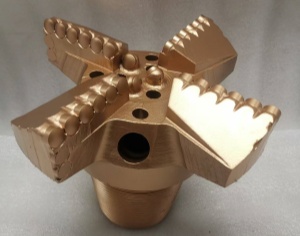
32mm Mining Drill Bit、40mm Mining Drill Bit
Overview of Mining Drill Bits
Mining drill bits are essential tools used in the excavation and extraction processes in various mining operations. Their design and functionality are critical in determining the effectiveness of drilling operations, impacting productivity and cost-efficiency.
32mm Mining Drill Bit
The 32mm mining drill bit is characterized by its robust construction and precision engineering. It is typically employed in applications that require moderate penetration capabilities and enhanced stability.
Specifications
- Diameter: 32mm
- Material: High-carbon steel or tungsten carbide
- Weight: Varies based on design and manufacturer
Applications
Commonly utilized in underground mining, the 32mm bit is particularly effective in drilling through softer rock formations and is favored in mineral exploration. This bit can also be adapted for use in geotechnical applications, where precision is paramount.
Advantages
- Enhanced durability due to high-quality materials
- Suitable for a range of drilling conditions
- Cost-effective for projects with moderate drilling requirements
40mm Mining Drill Bit
In contrast, the 40mm mining drill bit is designed for more rigorous drilling tasks, catering to operations that demand higher penetration rates. This bit type is integral in large-scale mining projects where efficiency and speed are critical.
Specifications
- Diameter: 40mm
- Material: Advanced alloy steel or superior tungsten carbide
- Weight: Heavier than the 32mm bit, enhancing stability
Applications
Typically used in hard rock mining, the 40mm drill bit excels in applications where high torque and deeper penetration are necessary. It is well-suited for drilling in quarries and large-scale mineral extraction projects, providing efficiency in the drilling process.
Advantages
- Higher penetration rates due to increased diameter
- Improved stability, reducing vibrations and enhancing precision
- Versatile use across multiple mining operations
Comparative Analysis
When comparing the 32mm and 40mm mining drill bits, several factors come into play. The choice between these bits often hinges on the specific requirements of the mining operation, including the type of materials being drilled and the overall depth of the drilling sites.
Performance Metrics
- Penetration Rate: The 40mm bit generally outperforms the 32mm bit in terms of speed and efficiency.
- Durability: Both bits are designed for longevity, though the materials used may differ based on manufacturer specifications.
- Cost: The 32mm bit is more cost-effective for smaller projects, whereas the 40mm bit may require a larger initial investment but offers better returns in high-volume scenarios.
Choosing the Right Bit
Selecting the appropriate drill bit is critical. Factors such as rock hardness, drilling depth, and the specific mining techniques employed will influence this decision. Companies like KBJZ provide various options to cater to diverse drilling needs, ensuring that operators can find the right fit for their specific applications.
Maintenance and Care
Proper maintenance of mining drill bits is essential to enhance their lifespan and maintain optimal performance. Regular inspection for wear and tear, as well as adherence to manufacturer guidelines for cleaning and storage, can significantly impact the operational efficiency of these tools.
Maintenance Tips
- Inspect bits for signs of wear before each use.
- Clean drill bits adequately after use to prevent corrosion.
- Store bits in a dry environment to enhance durability.
Conclusion
Ultimately, the selection between a 32mm and a 40mm mining drill bit should be informed by specific operational needs and material characteristics. Understanding the unique advantages of each type can lead to more efficient and effective mining practices, thereby optimizing both productivity and cost-efficiency.