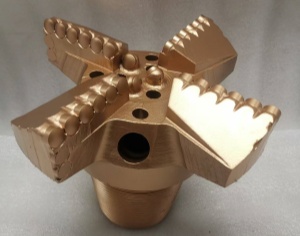
28mm Mining Drill Bit、29mm Mining Drill Bit、30mm Mining Drill Bit
Understanding Mining Drill Bits
28mm. 29mm. 30mm. Three numbers that seem simple, yet they hold the key to efficiency in mining operations. What do they really signify? They are not just sizes; they represent different capabilities and applications in the mining industry.
The 28mm Mining Drill Bit
The 28mm mining drill bit is often overlooked. Yet, it plays a crucial role in the extraction process, especially in tight spaces. Imagine a narrow shaft, where every millimeter counts. This drill bit excels in precision. It can easily navigate through complex geological formations, making it a favorite among geologists and drilling engineers.
- Advantages:
- Exceptional maneuverability.
- Ideal for soft rock drilling.
- Cost-effective for small projects.
But what about its durability? Surprisingly, the 28mm bit is engineered with high-quality materials, ensuring it withstands harsh mining conditions. Some operators swear by KBJZ's version, claiming it lasts longer than its competitors.
The 29mm Mining Drill Bit
Next up, we have the 29mm drill bit. This size strikes a balance. It’s versatile. It performs well in both soft and medium-hard rock formations. A contractor from Nevada recently reported a 15% increase in drilling speed when switching to a 29mm bit from a 28mm one. Impressive, isn’t it?
- Key Features:
- Versatile performance across rock types.
- Enhanced cutting efficiency.
- Reduced downtime between bits.
With its unique design, the 29mm drill bit optimizes energy consumption. You might wonder—how does it manage to deliver such results? The secret lies in its geometrically designed cutting edges that create less friction, allowing for faster drilling. It’s not magic; it’s engineering.
The 30mm Mining Drill Bit
Now, let’s step up to the 30mm drill bit. This robust tool is designed for heavy-duty tasks. It’s often used in larger-scale mining operations. Picture a vast quarry with tons of materials to extract. The 30mm bit is a powerhouse, able to tackle tough rock formations like granite or basalt.
- Benefits:
- High resistance to wear.
- Optimal for large-scale operations.
- Enhanced stability during drilling.
The sheer power of the 30mm bit can lead to significant time savings. Operators have reported up to a 25% reduction in drilling time. Isn’t that something? However, the initial investment is higher. Is it worth it? You bet it is if you’re aiming for efficiency.
Comparative Analysis
Let’s break it down further. Here’s a quick comparison:
| Size | Best For | Performance |
|---|---|---|
| 28mm | Tight Spaces | High Precision |
| 29mm | Versatility | Balanced Efficiency |
| 30mm | Heavy-Duty | Robust Power |
Each size has its own niche. Understanding these differences can lead to better decision-making in mining operations. Are you using the right bit for your project?
Conclusion
In the end, the choice between a 28mm, 29mm, or 30mm mining drill bit should be based on specific project needs. Whether it’s precision, versatility, or power, each option offers unique advantages. KBJZ provides a range of options tailored for various applications, ensuring that miners can choose the most effective tools for their projects.
Don’t underestimate the impact of these seemingly simple tools. They are the unsung heroes of the mining industry.